Wall Street Warning Shot: S&P Considers Nvidia Credit Downgrade Over Governance and Key Man Risks
Wall Street’s top credit watchdogs are taking a hard look at Nvidia’s boardroom turmoil. S&P Global Ratings, one of the three major credit rating agencies, announced that it is considering downgrading Nvidia’s debt rating, pointing directly to mounting concerns over the chipmaker’s management stability and corporate governance practices.
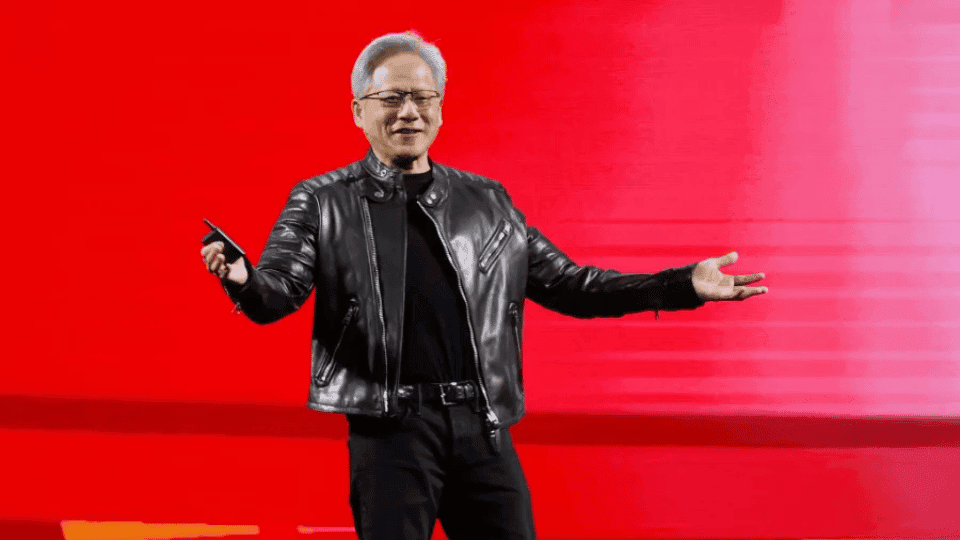
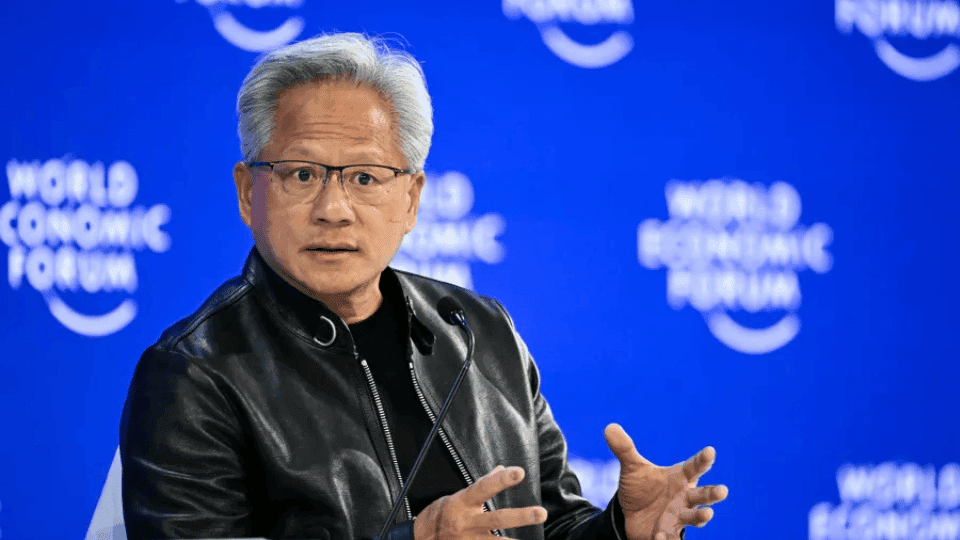
Even though Nvidia continues to post massive revenues and profit margins, the chaotic ouster and rapid reinstatement of Chief Executive Officer Jensen Huang has exposed serious structural vulnerabilities. In a formal statement, S&P analysts flagged weak executive oversight, a lack of clear succession planning, and acute key man risk, meaning Nvidia’s long-term operational success depends far too heavily on Huang remaining at the helm.
S&P expects to wrap up its formal review within 90 days and could lower Nvidia’s long-term issuer credit rating by one notch, dropping it from AA to AA-, the fourth-highest tier on S&P’s rating scale.
While an AA- grade keeps Nvidia comfortably inside high-grade investment territory, even a single-notch downgrade carries real financial consequences across the artificial intelligence ecosystem. A lower credit score typically pushes up borrowing costs when a company issues corporate bonds or taps credit lines. More importantly, Nvidia routinely uses its pristine balance sheet to backstop smaller neocloud startups and specialized data center operators that lack strong standalone credit ratings. If S&P trims Nvidia’s rating, those partner infrastructure firms could face steeper interest rates on their loans or find themselves forced to post extra cash collateral to keep data center builds moving.
The ripple effects extend straight into Nvidia’s massive infrastructure financing plans. Back in August, Nvidia unveiled an ambitious program to arrange $500 billion in AI data center financing alongside six major financial institutions, including Goldman Sachs, Apollo, and Blackstone. Under the initial framework, Nvidia agreed to guarantee 25 percent of those loans. According to Bloomberg, lenders were already pushing Nvidia to cover a larger share of the risk even before Huang’s abrupt resignation and reinstatement shook investor confidence.
If S&P follows through with a downgrade, Wall Street banks and private credit lenders will likely demand even bigger financial guarantees from Nvidia before funding new server clusters. For a company whose chips sit at the center of global AI infrastructure spending, boardroom drama is no longer just a public relations headache; it is starting to affect the cost of capital across the entire industry.