Anatomy of a Corporate Collapse: Inside the Unfolding Jensen Huang Scandal Timeline
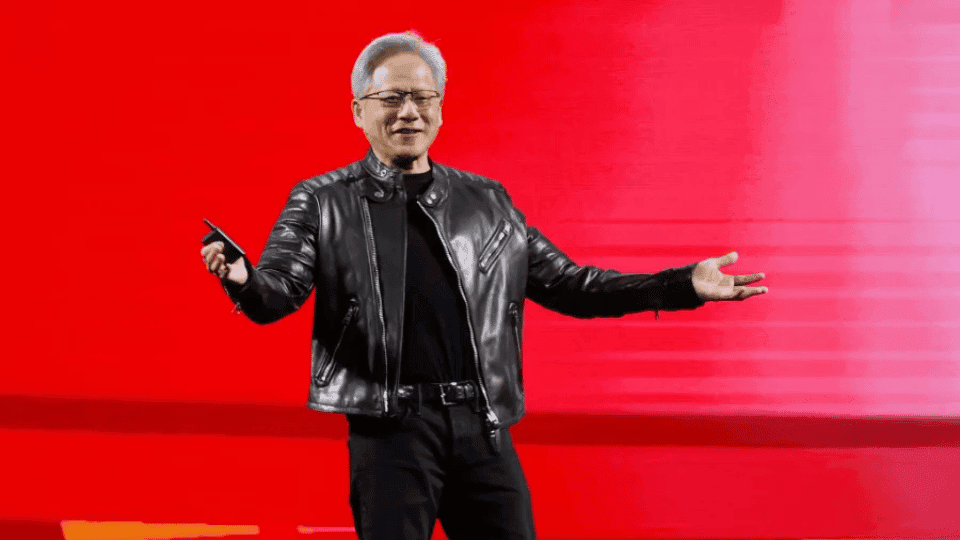
Over the span of less than two weeks, Nvidia co-founder Jensen Huang went from Silicon Valley’s most celebrated hardware chief executive to stepping down from the company he built over three decades. What began as federal trade enforcement against a Singapore-based server firm quickly snowballed into espionage allegations, workplace affair revelations, a shareholder lawsuit, and a fierce boardroom battle over whether Huang should ever return.
The origins of the crisis trace back to November 2025, when United States authorities first launched an inquiry into Megaspeed, a Singaporean cloud infrastructure company suspected of smuggling advanced Nvidia processors into mainland China in violation of federal export controls. By August 2026, federal investigators expanded their probe into Megaspeed’s ownership structure and its close operational ties to Nvidia. That same month, U.S. intelligence agencies briefed President Donald Trump on intelligence assessments identifying Megaspeed executive Alice Huang as an operative for China’s Ministry of State Security.
Despite those internal warnings, the public storm did not break until November 8, 2026, when Bloomberg published an explosive investigation linking Jensen Huang personally to Alice Huang. The report detailed how the two executives maintained an extramarital affair across international business trips, raising immediate national security alarms over whether Beijing used personal ties to influence export decisions and route restricted AI hardware into China.
Within 24 hours of the report, Jensen Huang admitted to the affair while flatly denying any knowledge of Alice Huang’s alleged intelligence role or any improper chip diversions. Nvidia’s board of directors initially stood behind its founder, announcing an independent review while keeping Huang in command. However, that support evaporated within days as new disclosures piled up.
On November 10, additional investigative reporting revealed that Huang had engaged in multiple workplace affairs with Nvidia employees, including a senior vice president who reported directly to him. Those governance violations shattered the board’s position, and on November 12, Huang resigned as chief executive officer. Directors immediately appointed Chief Financial Officer Colette Kress to serve as interim chief executive while launching a formal search for a permanent successor.
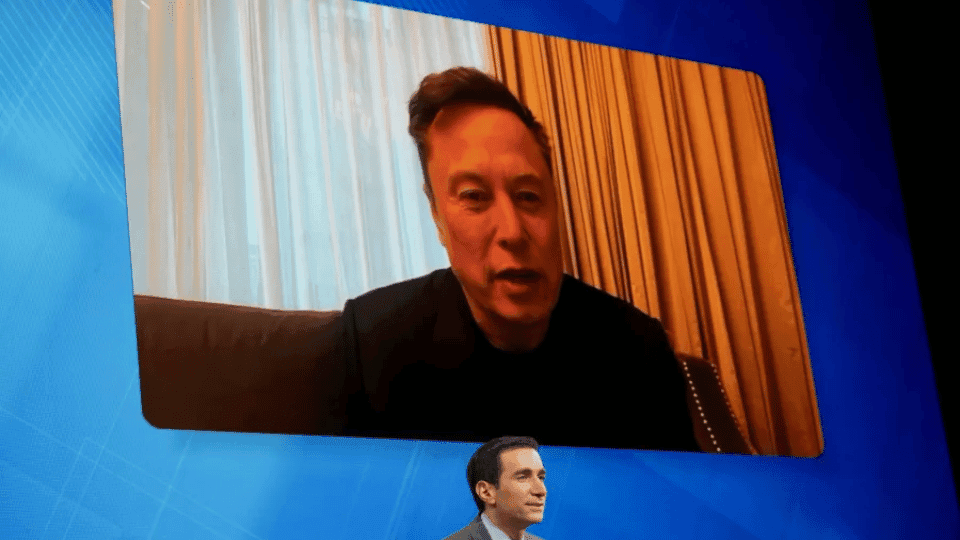
Even after Huang stepped aside, the fallout kept accelerating. Congress summoned Huang to testify regarding national security risks and export compliance, while the Federal Bureau of Investigation opened a broader criminal inquiry into potential export violations. Meanwhile, Silicon Valley leaders split sharply over his ouster. Tesla chief executive Elon Musk, Epic Games chief executive Tim Sweeney, and Y Combinator president Garry Tan joined nearly 200,000 signers on a public petition demanding that Nvidia reinstate Huang pending an independent investigation.
By November 17 and 18, the battle shifted to Nvidia’s quarterly earnings call and investor lawsuits. Although Huang reportedly offered to return to his post, Kress and Nvidia’s board confirmed they have no plans to bring him back, signaling a more cautious approach to Nvidia’s $65.5 billion startup investment portfolio. Simultaneously, angry shareholders filed securities fraud lawsuits accusing Nvidia of hiding executive misconduct and governance risks from investors. Together, the timeline illustrates how personal conduct, board governance, and superpower chip geopolitics collided to topple one of modern technology’s longest-serving founders.