Political Pivot: Elon Musk Distances Himself From Trump Movement, Declares He Is Not MAGA
Elon Musk spent $277 million helping Donald Trump return to the White House in 2024, famously crowned himself dark MAGA on the campaign trail, and wore an oversized MAGA cap inside the Oval Office after the election. Yet speaking on Wednesday, the billionaire technology executive told Americans that none of those actions actually make him part of the MAGA movement.
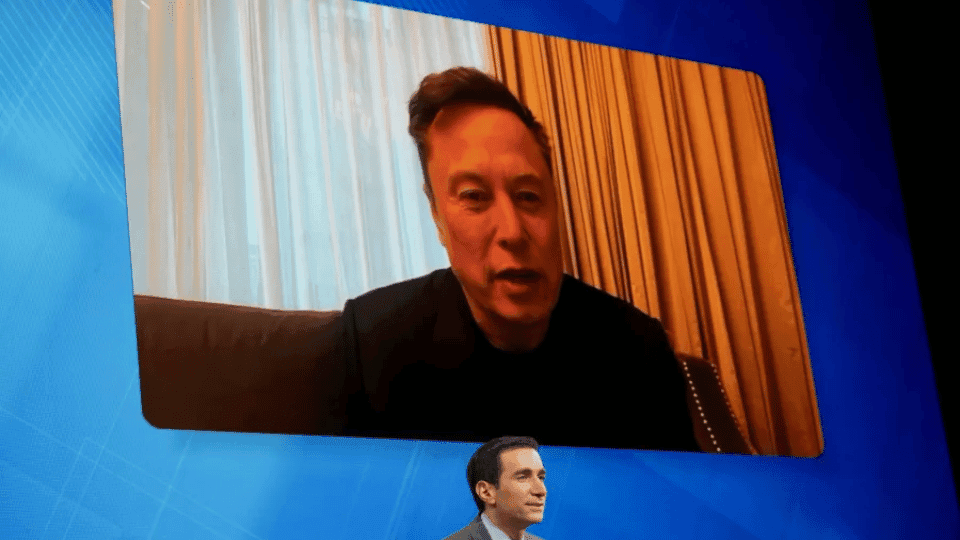
Appearing via live video feed during a conversation with Andrew Ross Sorkin at The New York Times DealBook Summit, Musk flatly stated that he is not MAGA. Musk dialed into the New York conference remotely from China, where he was traveling alongside President Trump for the APEC summit. Immediately after making the declaration, Musk softened his phrasing slightly, admitting he was unsure how people define the label while clarifying that if MAGA means blind adherence to a rigid set of Republican Party policies, he does not subscribe to it.
Musk’s comments landed directly in the aftermath of bruising midterm elections that produced a sweeping blue wave of Democratic victories across the country. Ahead of the midterms, Musk poured a massive sum of money, reportedly close to $440 million, into campaigns supporting Republican candidates nationwide. Reflecting on those results during Wednesday’s interview, Musk acknowledged that his aggressive political spending failed to deliver the outcomes he wanted. He admitted feeling foolish for spending so much capital with little return to show for it, adding that while results might have looked even worse without his involvement, the election proved that American voters cannot be swayed by money alone.
Throughout the discussion, Musk also stepped back from the combative, viral online persona he has cultivated on his social network X, claiming he holds no extreme political beliefs. When Sorkin pushed back by noting that many critics view Musk’s stances on immigration as extreme, Musk simply asked for specific examples, drawing mild laughter from the summit audience.
The appearance marked a stark contrast from Musk’s previous DealBook interview back in 2023, when he was locked in a public standoff with fleeing X advertisers over platform content moderation. Three years later, Musk faces mounting political and legal scrutiny from incoming Democratic lawmakers in Washington. Multiple congressional committees have signaled plans to investigate Musk and his business empire as part of broader inquiries into potential corruption during the Trump administration. Specifically, lawmakers intend to examine Musk’s leadership role inside DOGE, the government efficiency initiative launched at the start of Trump’s term, alongside SpaceX’s Starlink operations in Ukraine following allegations that the company throttled military internet connectivity.
Sorkin directly raised the prospect of federal investigations, pointing out that oversight committee leaders have warned Musk to hire lawyers while President Trump has publicly floated issuing a preemptive presidential pardon. Musk dismissed the need for clemency, insisting he has committed no crimes. He then sparked fresh controversy by comparing an incoming Texas lawmaker to Lavrentiy Beria, Joseph Stalin’s notorious Soviet secret police chief. Claiming that an incoming Texas House leader wanted him thrown in prison, Musk accused the official of targeting an individual first and inventing a crime afterward, likely referencing incoming Texas House Democratic Caucus chair Gene Wu, who previously called for investigating Musk for potential criminal conduct. Musk closed the exchange by stating his hope that American courts still require actual criminal offenses before sending citizens to prison.