End of an Era: OpenAI CEO Sam Altman Says It Is Hard to Imagine the AI Industry Without Jensen Huang
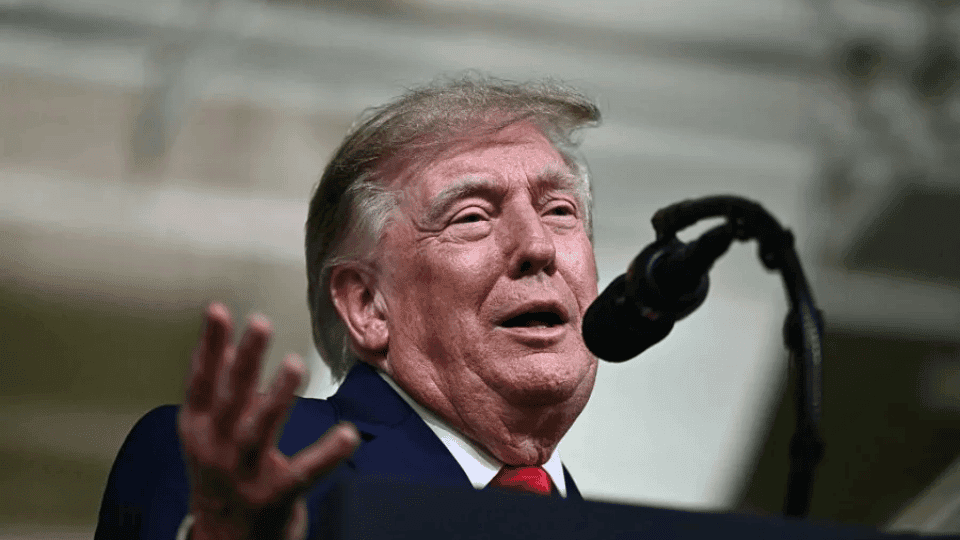
The artificial intelligence industry is stepping into uncharted territory, and not merely because of nonstop frontier model releases or hardware breakthroughs. For the first time in the modern AI boom, developers, cloud giants, and investors must navigate the future without one of the sector’s most influential architects, Nvidia co-founder and longtime chief executive Jensen Huang. Huang resigned last week following mounting scandals involving workplace affairs with two Nvidia employees alongside an extramarital relationship with an alleged Chinese spy, a controversy that triggered serious national security questions in Washington.
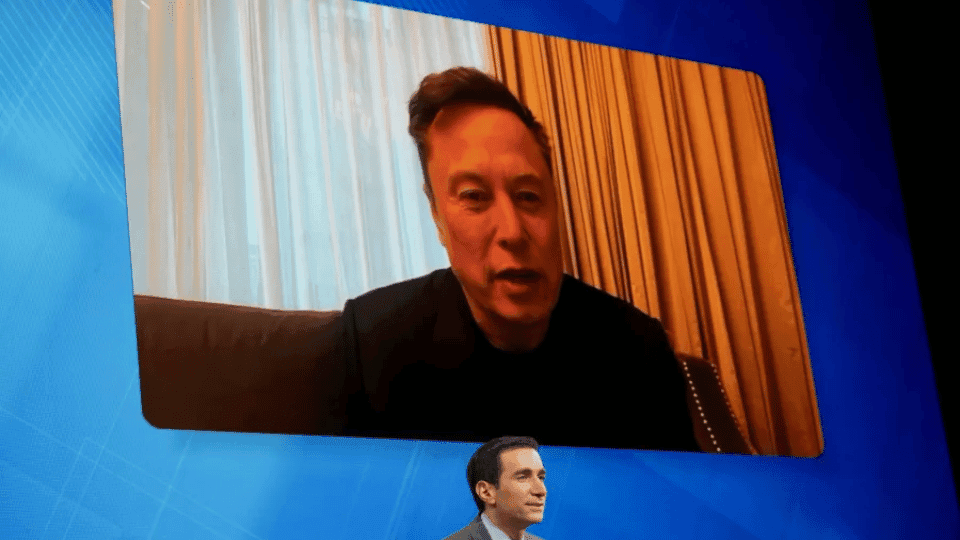
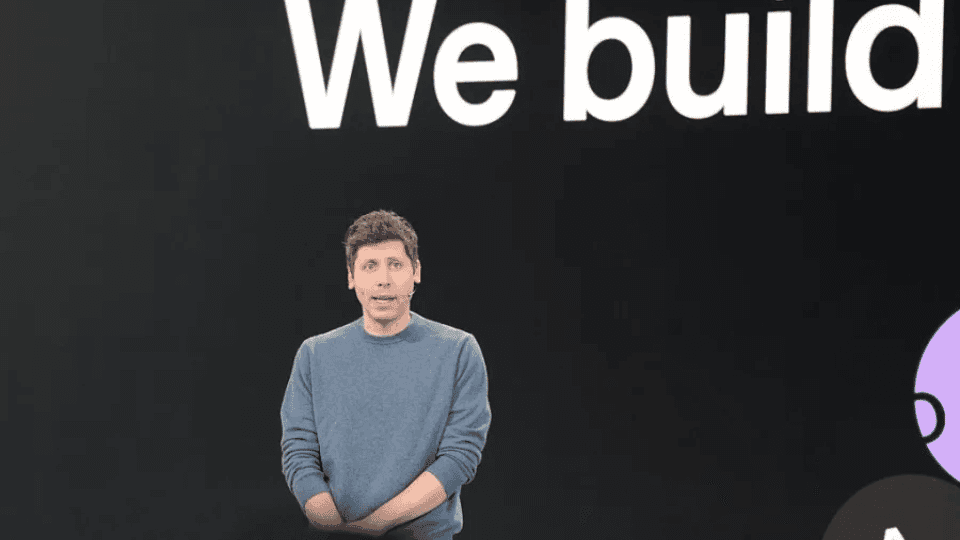
Speaking onstage at The New York Times DealBook Summit on Wednesday, OpenAI Chief Executive Officer Sam Altman and OpenAI President Greg Brockman both confirmed that they reached out privately to Huang as his public reputation unraveled. Rather than distancing themselves from the ousted chip executive, OpenAI’s top leaders highlighted the deep personal and commercial history connecting both companies.
Altman pointed out that Huang placed one of the earliest major bets on OpenAI when few observers believed in scaling large language models, while OpenAI bet its entire compute strategy on Nvidia’s graphics processors. Reflecting on Huang’s absence from the company he led for over three decades, Altman stated plainly that it is hard to imagine the artificial intelligence industry without Jensen.
That partnership runs through nearly every layer of OpenAI’s infrastructure. Over the years, OpenAI worked side by side with Huang to shape data center architecture, culminating in Nvidia investing $30 billion directly into OpenAI earlier this year while designing the specialized processors powering OpenAI’s frontier systems.
Brockman emphasized the personal side of their relationship during the summit appearance, sharing that he and his wife are close family friends with Huang and reached out personally to support Huang and his family through the fallout. While acknowledging that the sudden transition creates a difficult moment for everyone involved, Brockman expressed confidence in Nvidia’s engineering foundation. He noted that what Huang built at Nvidia was designed to endure, adding that OpenAI remains eager to continue partnering closely with the chipmaker moving forward.
Huang’s central role in building the modern compute supply chain explains why his departure sparked fierce debate across Silicon Valley. Nearly 200,000 people, including Tesla chief executive Elon Musk and several prominent technology founders, have signed an online petition urging Nvidia’s board of directors to reinstate Huang. Despite that vocal pushback and reports that Huang himself offered to return to his post, Nvidia executives stated during Tuesday’s quarterly earnings call that the board has no plans to bring the founder back.
When pressed onstage about whether he thinks Huang could ever regain control of Nvidia, Altman refused to join the chorus of Silicon Valley pundits predicting boardroom outcomes. Altman criticized the wave of outside guesswork surrounding the scandal, stating that he dislikes watching everyone offer random theories about what might happen next. Keeping his remarks measured, Altman wished both Huang and Nvidia the best while declining to add another speculative opinion to the public noise.
Altman and Brockman’s comments capture the delicate balancing act facing every major AI lab right now. Frontier model builders owe much of their rapid progress to Huang’s aggressive hardware roadmaps and willingness to bankroll massive data center clusters. At the same time, companies like OpenAI depend on a stable, compliant Nvidia to keep shipping next-generation chips without regulatory bottlenecks. Even as Nvidia’s board closes the door on Huang’s return, his influence remains baked into the silicon powering the entire artificial intelligence sector.