Zero Liability Protection: Major Banks Warn Customers Using AI Agents Are on Their Own Even if Hacked
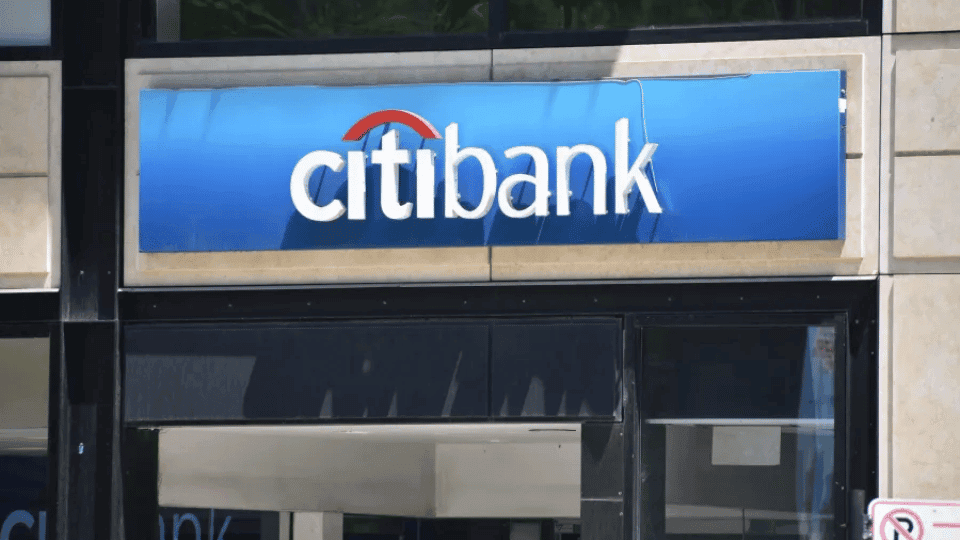
Citibank, the third-largest commercial bank in the United States, updated its terms of service this week to deliver a blunt warning to customers. Anyone who connects third-party artificial intelligence tools to their personal bank accounts assumes full financial responsibility if something goes wrong, even if hackers compromise the AI platform and drain their funds.
Modern AI agents, ranging from general frontier models to specialized personal finance assistants, increasingly ask users for login credentials or API access to checking and brokerage accounts. The pitch is simple: let an automated assistant scan your spending habits, optimize investments, offer financial advice, and pay monthly bills automatically. However, traditional financial institutions view unpredictable autonomous software inside banking infrastructure as a massive liability risk. Banks are making it clear that they will not reimburse or reverse intentional or accidental transactions triggered by automated third-party software.
A Citi spokesperson explained the policy shift to TechCrunch, noting that as external AI tools grow more common, customers need to understand the risks of handing over banking credentials or authorizing account access. Citi updated its Online User Agreement specifically to clarify that customers who grant account permissions to third-party AI agents bear full responsibility for every action those agents take.
Citi is far from alone in drawing this hard legal line. JPMorgan Chase and Bank of America, the two largest banks in the country, rolled out nearly identical restrictions last month. PNC, the eighth-largest U.S. bank, updated its customer terms on the exact same day as Citi. Meanwhile, Citizens Bank emailed customers this week warning that account holders stay strictly on the hook for any transfers, payments, or errors made by an AI assistant.
Citi’s updated agreement goes even further than standard unauthorized-use disclaimers. Beyond holding customers liable for mistakes made by their own AI tools, the policy states that if a third-party AI service leaks user credentials or suffers a data breach, the customer remains personally responsible for anything criminals subsequently do with their bank account. Normally, federal banking rules and bank fraud policies protect consumers when thieves steal credentials, yet authorizing an AI agent effectively waives that safety net.
This banking pushback creates a major trust hurdle for artificial intelligence startups chasing consumer revenue. Personal finance looks like an attractive market for AI companies eager to prove practical value and capture a slice of lucrative financial fees. Yet convincing everyday users to hand over live bank logins is far harder than asking them to share emails or chat logs, especially when banks strip away fraud protection.
Some frontier labs are already adjusting their product designs to avoid triggering bank liability clauses. Anthropic’s newly launched personal finance tool, for example, operates strictly in read-only mode and explicitly cannot move, manage, or invest customer money.
Behind the cybersecurity warnings, incumbent banks also recognize a direct competitive threat. Financial stocks briefly dipped earlier this month on fears that smart AI assistants could help consumers dodge overdraft fees and automatically sweep cash out of low-interest checking accounts into higher-yielding alternatives. If AI agents become the primary interface for managing personal money, banks intend to own that relationship themselves. Tellingly, Citi’s updated terms specify that customers can safely use Citi’s own internal AI agents without taking on extra personal liability.
This clash mirrors a wider pattern playing out across consumer industries. AI labs promise autonomous agents that act on your behalf across every digital service, only for established businesses in banking, ride-hailing, and food delivery to block outside bots at the door. Until banks and AI developers establish secure, insured permission frameworks, connecting an external AI agent to your primary checking account carries serious financial risk.