Silicon Valley Celebrates the Comeback: Elon Musk and Tech Leaders Rejoice as Jensen Huang Returns to Nvidia
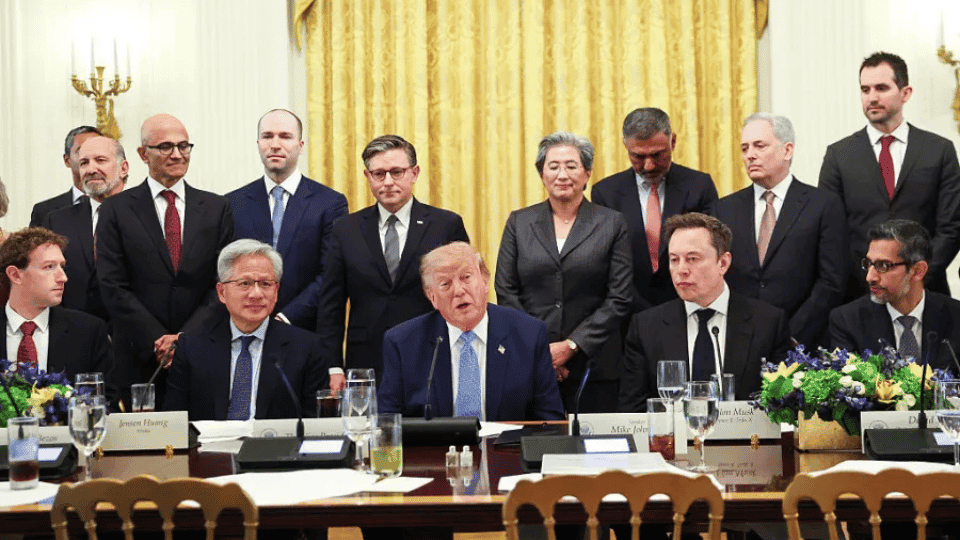
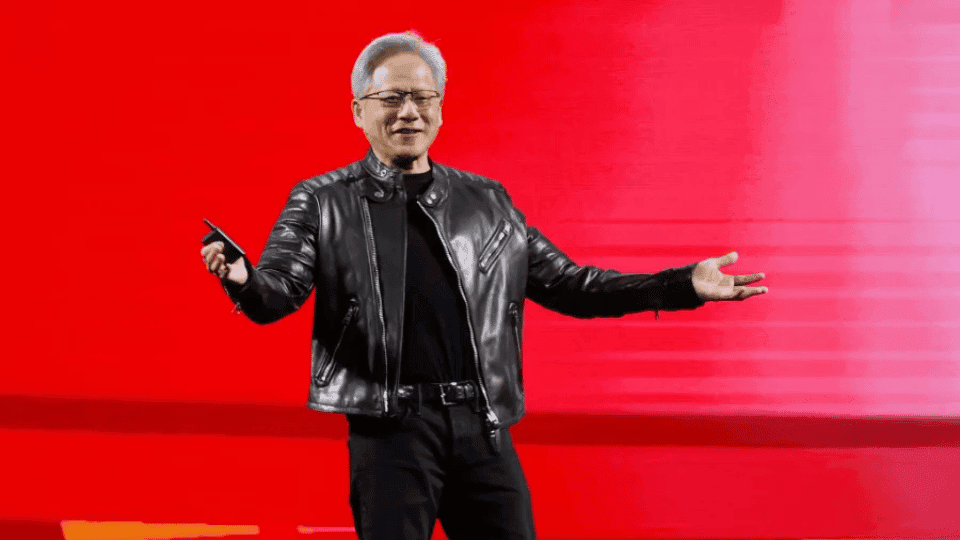
A coalition of prominent technology executives, led by Tesla and SpaceX chief executive Elon Musk, is celebrating Jensen Huang’s dramatic reinstatement at Nvidia. Despite facing intense scrutiny over multiple workplace affairs, including an extramarital relationship with an alleged Chinese spy that sparked federal national security investigations, Huang officially reclaimed his roles as president and chief executive officer of the chipmaking giant on Monday morning.
Musk wasted no time claiming victory on his social media platform X, writing simply that the mistake had been corrected. Throughout the nearly two-week crisis, Musk stood out as one of Huang’s loudest defenders across Silicon Valley. Speaking just days earlier at the DealBook Summit, Musk criticized Nvidia’s board for pushing Huang out, arguing that abandoning a founder over a personal mistake made zero sense for shareholders.
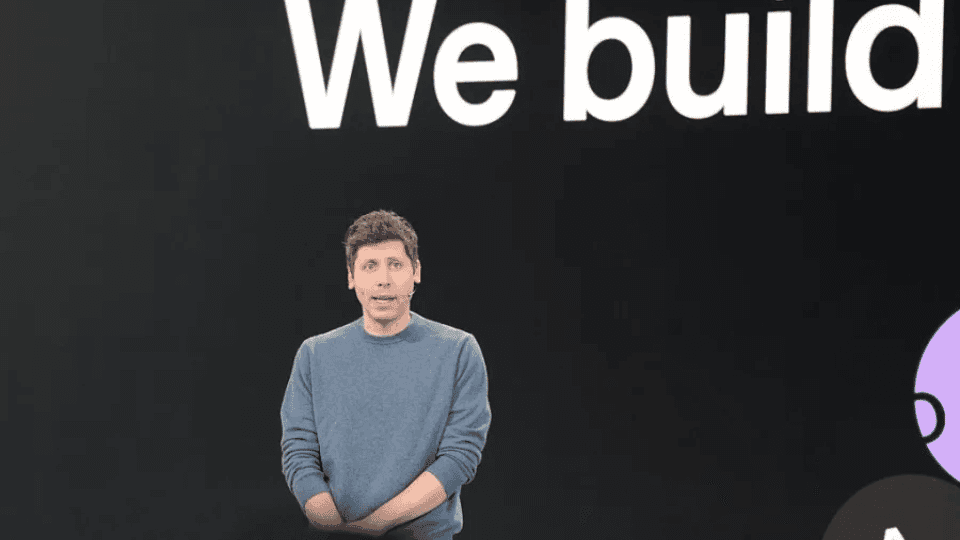
OpenAI Chief Executive Officer Sam Altman echoed that celebratory mood, posting a one-word tribute reading Jensen on X. Altman previously expressed his own discomfort with the shakeup, remarking at DealBook that imagining the artificial intelligence industry without Huang felt nearly impossible. Altman understands boardroom reversals firsthand, having survived his own abrupt ouster from OpenAI in 2023 before returning days later. Following Altman’s comeback, OpenAI overhauled its board of directors, a history that may explain why Nvidia’s directors initially resisted bringing Huang back while weighing both corporate governance rules and national security concerns.
Support for Huang’s return also poured in from high-profile figures outside the immediate AI chip ecosystem. Former Binance chief executive Changpeng Zhao, who previously served federal prison time after pleading guilty to anti-money laundering failures at the cryptocurrency exchange, celebrated the news on X with a clapping hands emoji and a short note welcoming Huang back.
Meanwhile, Epic Games Chief Executive Officer Tim Sweeney, who had joined roughly 200,000 signers on an open letter demanding Huang’s reinstatement, framed the reversal as a broader cultural turning point. Sweeney posted on X that Huang’s comeback demonstrated American resilience against corporate, political, and journalistic takedowns. Oculus co-founder Palmer Luckey, who previously clashed with leadership at Meta before leaving the company, also cheered the announcement by sharing a photo of a custom iridescent megaphone with a caption joking that he would save his public campaign for another day.
While Wall Street cheered the board’s U-turn by sending Nvidia’s stock price surging higher on Monday morning, veteran investors raised sharp governance warnings. Billionaire hedge fund manager Bill Ackman questioned whether Nvidia’s board acted in the best long-term interest of shareholders or upheld its legal fiduciary duties. Ackman noted that the same directors who fired Huang for lacking candor had just reversed course under intense outside pressure, concluding that the episode exposes the severe fragility of modern corporate boards.
Outside Silicon Valley, reaction from Washington lawmakers proved far more skeptical. Republican senators pushed back immediately against President Donald Trump’s claim that reinstating Huang poses no national security threat. Texas Senator John Cornyn questioned the basis for dismissing security risks on X, while Nebraska Senator Pete Ricketts argued that public company directors should never reinstate an executive whose own board cited a lack of candor following affairs with subordinates and a suspected foreign operative.
Ricketts emphasized that Nvidia’s internal board vote does not shield Huang from congressional accountability. Huang remains scheduled to testify publicly before the Senate Banking Committee on December 3, alongside closed-door sessions before three separate House committees examining export controls and national security.