Infrastructure Reality Check: Why Most Announced AI Data Centers May Never Get Built
The rapid expansion of artificial intelligence infrastructure is hitting major real-world roadblocks. Across the country, proposed server farms face mounting local community opposition, multi-year permitting delays, and severe electricity grid constraints. However, before construction crews even break ground or encounter neighborhood pushback, energy market experts point to a more basic reality: a massive share of announced data center projects will likely never get built in the first place.
With billions of dollars flowing into AI hardware and server real estate, separating viable builds from speculative press releases has become essential for investors and utility planners. On TechCrunch’s Equity podcast, hosts Rebecca Bellan and Tim De Chant spoke with Brent Nelson, senior managing director of markets and strategy at Ascend Analytics, to break down which data center proposals have real backing and which projects remain purely on paper.
Nelson explained that the current development pipeline is heavily inflated. Many developers announce massive power capacity targets primarily to attract early venture funding or secure speculative land options rather than executing real construction plans. When analysts apply practical scrutiny to land acquisition costs, local permitting fees, and electrical grid interconnection queues, only a small fraction of proposed facilities survive.
Securing reliable electricity remains the single biggest bottleneck for large-scale AI campuses. Modern computing clusters often demand over 100 megawatts of continuous power per site, far exceeding what regional utility networks can deliver without major transmission upgrades. Getting approval for new high-voltage lines and substation expansions gets energy projects stuck in lengthy regulatory loops. Both political parties have contributed to permitting bottlenecks over the years, leaving developers waiting years just to confirm basic grid connections.
To bypass slow utility timelines, some developers turn to on-site natural gas generation as a quick workaround. Yet Nelson cautioned that natural gas does not guarantee uninterrupted reliability, especially during extreme winter weather events when fuel supply lines freeze or face peak residential demand. Instead, pairing large-scale battery storage systems with flexible grid connections that temporarily scale back power usage during peak grid stress offers a far more practical path forward.
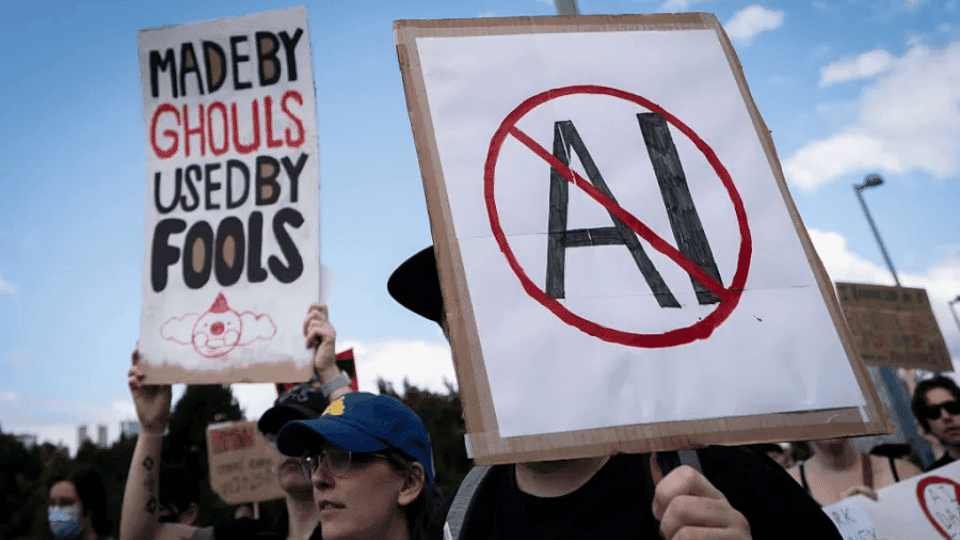
Even when developers solve power logistics, local voter backlash creates another layer of risk. Recent local ballot measures show that communities increasingly vote to restrict unmonitored server farm builds over fears of higher utility bills, water strain, and rural land loss. Meanwhile, if broader AI software spending slows down or market enthusiasm cools, developers who signed deals with speculative, underfunded tenants could face severe financial trouble.
Separating real infrastructure from vaporware requires looking past flashy press releases. Viable data center projects hold outright land ownership rather than temporary purchase options, carry signed utility interconnection agreements, and commit real capital to pre-construction engineering. As the AI infrastructure race matures, capital and compute capacity will concentrate in select regions with proven grid capacity rather than spreading evenly across every announced construction site.