Political Turbulence: Elon Musk and AI Data Centers Face Growing Friction After Midterm Elections
Midterm election outcomes shifted political balances across the country, creating an uncertain environment for major technology developers and large computing infrastructure builds. Industry analysts, energy researchers, and policy observers point out that the political tide surrounding artificial intelligence data centers turned significantly. Following local voter pushback and shifts in congressional leadership, tech leaders like Elon Musk face mounting operational delays, stricter permitting oversight, and rising opposition from local communities.
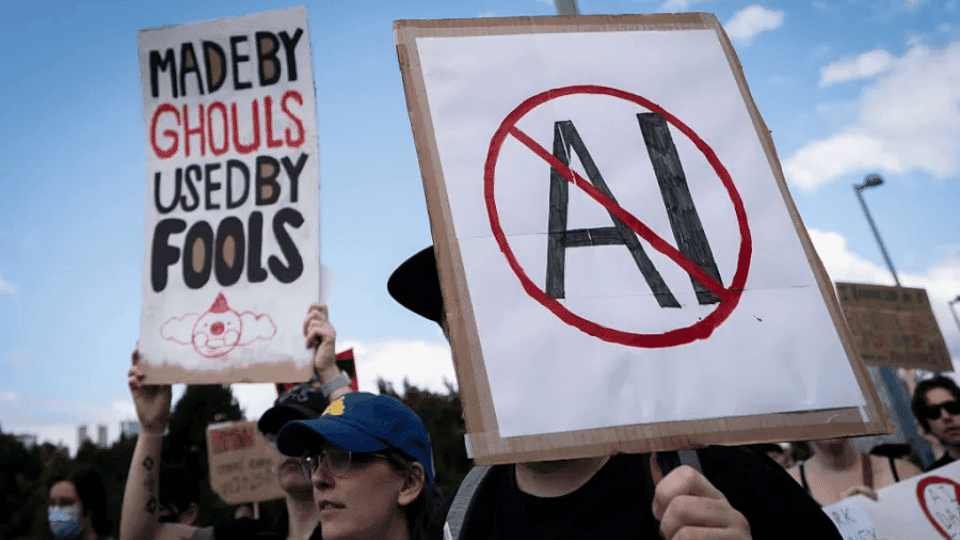
During recent campaign cycles, data center expansion turned into a focal point for voters across multiple states. Local residents raised concerns about the massive energy footprint required by high-density server facilities. In several markets, voters pushed back against fast-tracked construction permits, citing fears over utility rate increases, noise pollution, and strain on local water resources. Political candidates from both sides of the aisle recognized that opposing unmonitored tech expansion appealed directly to voters who feel left out of corporate growth deals.
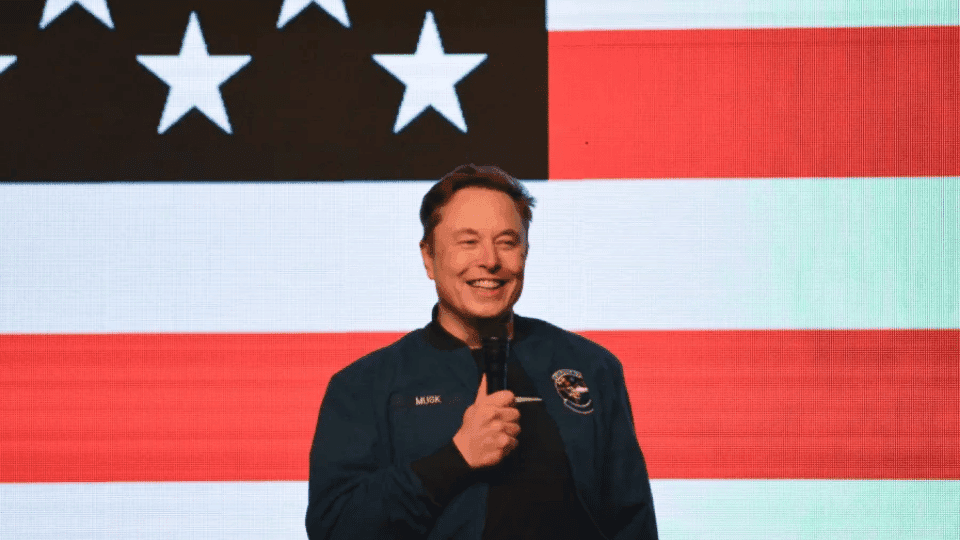
Elon Musk’s artificial intelligence venture, xAI, stands directly in the crosshairs of this post-midterm shift. The company made headlines by building massive computing facilities at record speeds to power its models. To bypass long wait times for traditional utility grid connections, xAI installed independent power sources, including retrofitted natural gas turbines. While this aggressive strategy brought servers online quickly, it drew criticism from local environmental groups and policy makers who question the long-term impact of off-grid fossil fuel generation near residential areas.
With new legislative majorities stepping into power, regulatory scrutiny over off-grid energy generation will likely increase. Lawmakers are drafting bills aimed at stopping data center developers from passing infrastructure upgrade costs onto local taxpayers. Proposed federal measures include mandatory grid impact studies, stricter emissions tracking for private turbines, and temporary moratoriums on unpermitted facility construction. These legislative proposals threaten to slow down expansion timelines for cloud providers and AI builders who relied on quick local approvals.
Beyond regulatory hurdles, tech companies face a growing public relations challenge. Communities across host states demand transparency regarding site selection, water usage, and local tax exemptions. Residents are voicing frustration over secret non-disclosure agreements that prevent public debate before city councils vote on major development projects. As public awareness grows, tech leaders can no longer count on quiet, friction-free facility expansions in rural or suburban industrial parks.
The post-midterm climate marks a transition point for how the United States handles physical tech infrastructure. Building next-generation computing power requires more than massive capital and rapid hardware deployment. Companies must secure public consent, work closely with regional utility operators, and invest in clean, long-term energy generation.
Navigating this new political reality will test tech executives who built their reputations on moving fast and bypassing traditional bureaucratic systems. As federal and state lawmakers establish clearer rules for energy consumption and facility permits, artificial intelligence companies must adapt their build strategies to maintain steady progress without alienating local host communities.