Orbital Gambit: SpaceX Sets Sights on First True Starship Orbital Insertion
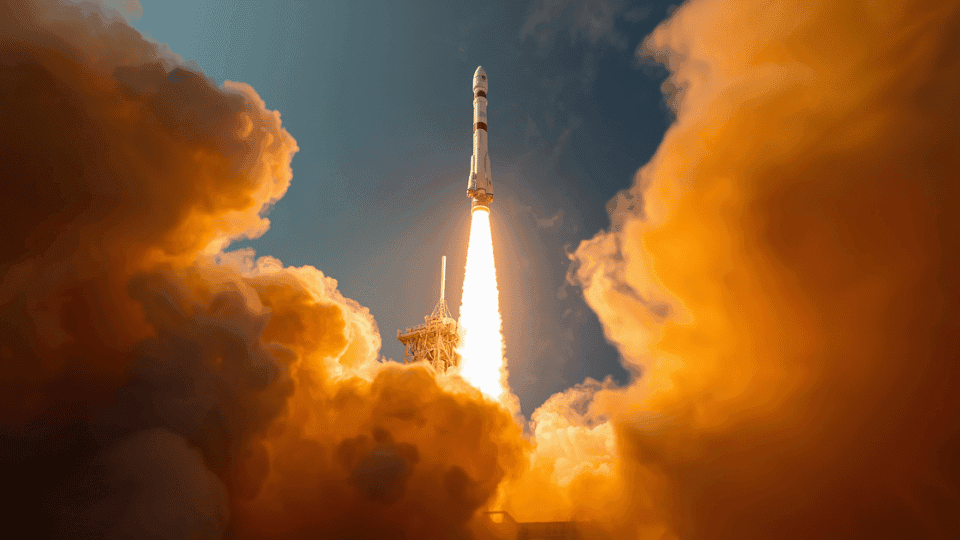
SpaceX announced plans to perform the 14th test flight of its massive Starship rocket on September 22, aiming to push the upper stage into Earth’s orbit for the very first time. The launch window opens at 7:15 AM Central Time for a 75-minute operational window.
During this upcoming test, SpaceX intends to launch its first cluster of third-generation Starlink hardware into an active network of over 10,000 internet satellites. The mission parameters call for deploying 26 V3 Starlink satellites into orbit. If successful, this test marks the first Starship flight to generate internal revenue for the company’s launch division, even though that revenue originates from within SpaceX itself.
This mission represents the second Starship launch since SpaceX completed its historic initial public offering in July. The previous test flight launched V3 Starlink payloads for testing purposes, but those early satellites burned up in the atmosphere after roughly 20 minutes because the upper stage failed to hold orbit.
Reaching orbit around Earth stands as a major target for SpaceX. The launch provider spent billions of dollars developing Starship with plans to retire its legacy Falcon 9 and Falcon Heavy fleet once Starship flies reliably multiple times per week. Founder and Chief Executive Officer Elon Musk stated that shifting fully to Starship saves critical engineering and production resources.
However, replacing the Falcon program requires Starship to reach orbit consistently, land safely, and turn around quickly for reuse. Fulfilling the aggressive launch schedules promised to public investors during the IPO hinges directly on mastering orbital insertion.
Flight 14 will only test the first portion of that overall recovery plan. Musk backed away from earlier ideas to capture the upper stage using launch tower mech arms, stating that an explosion during a catch attempt creates too great a setback for current operations.
SpaceX will also skip catching the Super Heavy booster on this test run. The engineering team struggled with booster stability during recent flights, making several structural changes after engines failed to reignite properly following stage separation on Flight 13 in July. SpaceX reported making hardware and software modifications to fix engine reignition errors tracked during that flight.
SpaceX saw far better performance from the upper stage during Flight 13. While the craft fell short of complete orbital insertion, it completed a controlled descent through atmospheric reentry before tipping over into the Indian Ocean without exploding. Recovery teams spent recent months towing that hardware back to Texas headquarters for inspection.
Engineers applied those physical recovery findings to improve the Starship heat shield for Flight 14. Setting realistic flight targets and verifying thermal protection performance gives SpaceX a clear path toward building a fully reusable heavy-lift orbital rocket.