Power Surge: Local Communities Push Back Against Massive Data Center Expansion
The sudden rush to build server infrastructure is hitting a major wall in industrial cities across the United States. Local residents and community leaders are organizing rallies to fight massive facility proposals, pointing out that giant computing hubs strain local power grids, increase noise pollution, and offer very few local jobs in return.
In places like Chicago, Memphis, and industrial towns across the Rust Belt, developers buy up old factory sites and land near electrical substations. Local residents who lived through decades of industrial pollution now face a new wave of heavy infrastructure development. Communities already dealing with legacy health concerns view data centers as another burden placed directly on working-class neighborhoods.
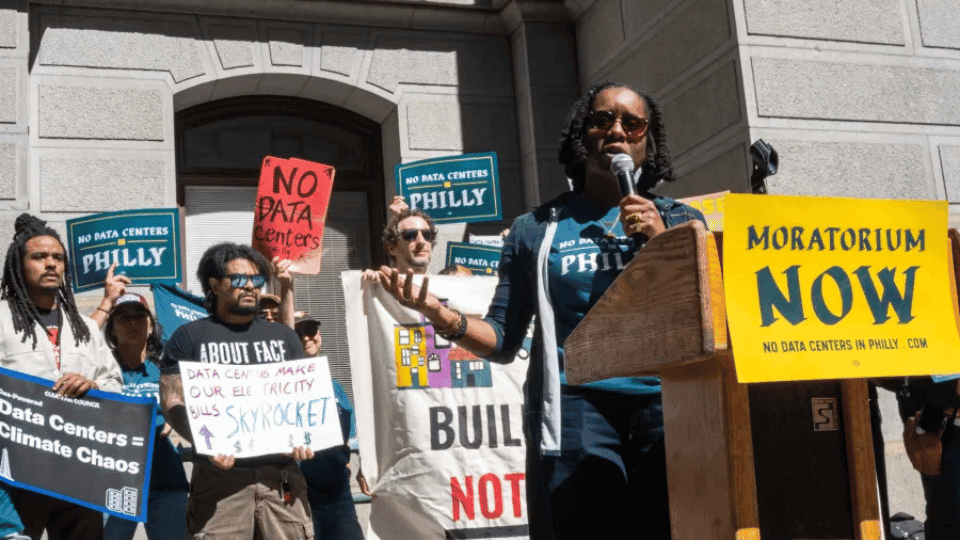
Protesters are gathering outside city halls and state capitols to demand moratoriums on new permits. Activists hold signs highlighting how computing infrastructure draws massive amounts of electricity from local grids while driving up utility bills for everyday households.
Large data centers consume hundreds of megawatts of continuous electricity. To keep server racks cool, facilities run massive cooling systems that consume millions of gallons of water daily or rely on giant industrial air conditioners that create persistent background noise. Residents living near recently constructed sites report constant low-frequency hums that disrupt sleep and lower quality of life.
Tech firms and real estate developers often pitch these projects by highlighting tax revenues and short-term construction jobs. However, once workers complete the main building construction, a facility operating hundreds of thousands of active servers requires only a small crew of technicians to manage daily operations. Local residents argue that temporary construction jobs do not justify decades of local resource drain.
State and local leaders find themselves caught in the middle. Politicians want to attract tech investment and build up local tax bases, but public pushback is turning server infrastructure into a major campaign issue. In response to rising voter anger, several states are passing clean energy mandates, requiring data center operators to generate their own power or pay into community protection funds.
Environmental groups are also stepping in to support local neighborhood coalitions. Researchers warn that unmonitored server growth forces utility companies to keep fossil fuel plants running longer to meet rising power demands. Burning extra coal and natural gas to power software servers directly conflicts with state-level clean energy goals.
To ease public backlash, some infrastructure developers promise to use recycled water for cooling loops and build dedicated solar farms nearby. However, community organizers remain skeptical, noting that large project builds often fail to deliver on environmental promises after securing tax exemptions and zoning approvals.
As global computing demand scales up, finding suitable locations for large server farms becomes increasingly difficult. Tech companies can no longer rely on quiet approvals and easy grid connections. Building sustainable computing networks will require real transparency, local community input, and serious investments in clean power generation.