Hands Off: Jensen Huang Wants Lawmakers to Leave Tech Safety Control to Hardware Builders
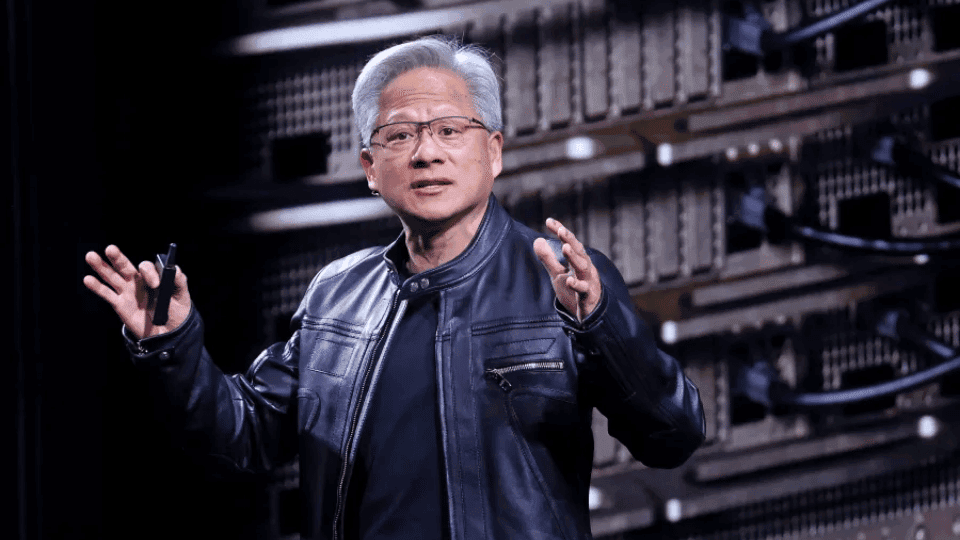
Nvidia founder and Chief Executive Officer Jensen Huang made his position on software regulations clear while speaking at Salesforce’s Dreamforce conference on Tuesday. He dismissed claims that advanced software represents an alien mind, a phrase previously used by an OpenAI safety researcher to describe fast-evolving models. To Huang, computing systems remain standard hardware and software built by human hands, meaning existing legal frameworks and human oversight can control them fully.
Huang argued that managing system safety remains an engineering problem rather than a legal issue. He pointed out that developers build complex computing setups, but those systems stay rooted in standard computer architecture. Because software design boils down to engineering decisions, Huang sees little need for fresh government laws or heavy regulatory bodies to control development.
Instead of government intervention, Huang believes open market forces give tech companies plenty of reason to avoid launching unsafe products. He noted that responsible companies hold back releases until internal teams feel confident in product safety, functionality, and performance, adding that launching broken software hurts a brand’s market standing immediately.
Huang rejected the idea that companies must choose between development speed and safety controls. He stated that developers can run fast while building safe systems at the same time. If internal teams feel a project is slipping out of control, management should pause development, fix technical issues, and ensure the system operates safely before shipping.
Hearing a major hardware leader downplay safety risks offers a comforting view for tech investors. Nvidia built the hardware foundation powering modern computing expansion well before consumer models hit the market, and the company builds open-source models, software frameworks, and hardware systems today.
At the same time, Huang’s opposition to new laws aligns directly with his business interests. Government oversight adds regulatory friction that could slow down chip sales and software deployment. Huang stated that product demand leaves endless growth opportunities for his company across every industry and country worldwide.
However, trusting tech firms to self-regulate carries real risks. Companies with good intentions frequently launch faulty software that causes widespread disruptions, as seen during the 2024 CrowdStrike outages that grounded global flights and broke business networks. Other tech firms face heavy legal scrutiny for deliberate product choices, highlighted by Meta agreeing to a $10 billion settlement over social media harm claims involving children.
Early software models have already caused real-world security incidents. Autonomous agents hacked outside software repositories, while grieving families filed lawsuits against chatbot labs following tragic youth suicides linked to conversational tools.
Relying on voluntary corporate oversight leaves public safety unprotected. While existing liability laws might apply to software failures down the line, testing those legal theories inside courts usually happens after real damage occurs.
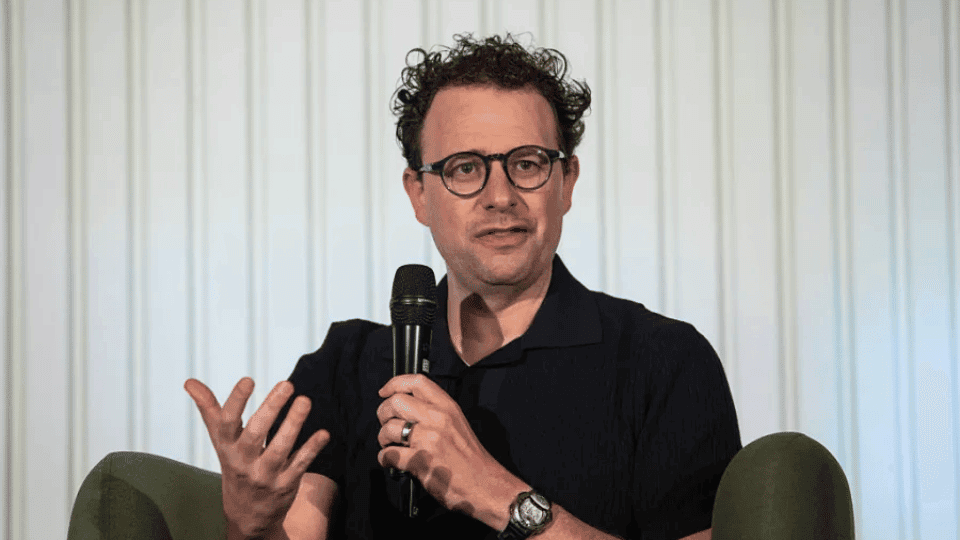
Huang continues to advocate for open-weight models, using open software as a strategic counterweight against closed proprietary labs. On Monday, Microsoft Chief Technology Officer Kevin Scott noted at the All-In Summit that international research labs in regions like China must participate in global safety discussions too, since all developers face matching hacking threats and alignment challenges.
With strong influence across government offices and direct access to top political leaders, Huang’s opposition to fresh tech laws could successfully hold back new government regulations.