Manage the Bots or Walk: Microsoft CEO Satya Nadella Explains Why He Offered 60,000 Workers a Buyout
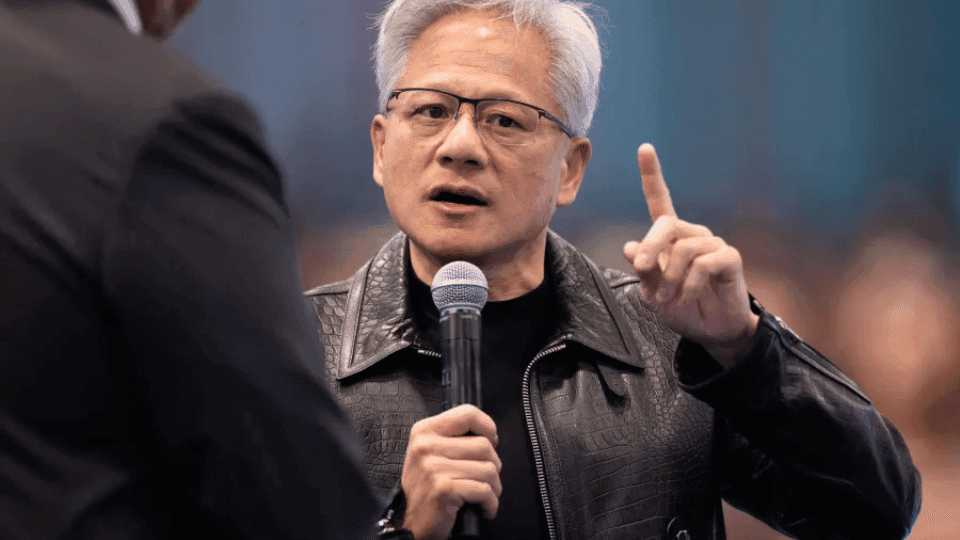
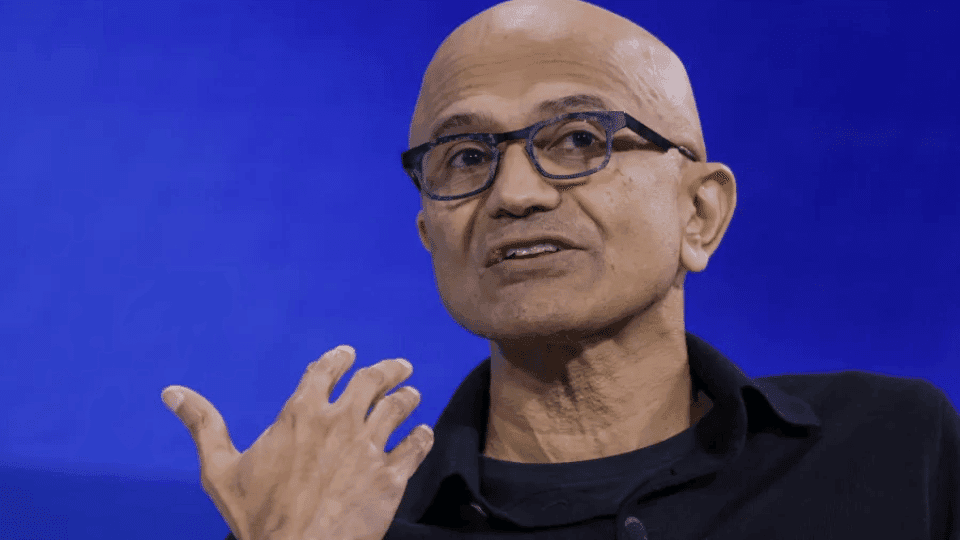
Microsoft Chief Executive Officer Satya Nadella explained on Wednesday why he offered voluntary buyout packages to 60,000 employees back in October, effectively inviting a massive portion of the company’s workforce to quit rather than pushing through another round of forced layoffs. Speaking with Andrew Ross Sorkin at the DealBook Summit, Nadella framed the move around artificial intelligence, though not in the straightforward job-replacement narrative most observers assume.
Instead of claiming that AI models are eliminating the need for human software engineers, Nadella argued that Microsoft is restructuring its entire organization so every employee acts as a manager of AI agents. Offering voluntary separation packages gave workers personal agency over whether they wanted to adapt to that radical shift in daily workflows or take a severance check and move on.
Nadella traced how rapidly corporate thinking around software engineering has evolved over the past two years. Initially, skeptics doubted artificial intelligence could write production code at all. Soon after, industry hype swung to the opposite extreme, prompting predictions that AI would write every line of software and make human programmers obsolete. Today, Nadella says Microsoft has landed in a practical middle ground where software engineering remains vital and poised for growth, provided teams reorganize around a new operating model where humans direct automated systems rather than typing every function manually.
To illustrate how this model works in practice, Nadella pointed to the internal engineering group building Cowork, the AI agent embedded across Microsoft 365 applications. That entire product unit consists of just 11 developers who have mastered orchestrating AI tools to handle their engineering tasks. As Nadella put it, those 11 engineers build a software factory that builds the actual product rather than hand-coding every feature themselves. Nadella believes this exact dynamic will soon spread across every corporate job function, turning individual contributors across marketing, finance, legal, and operations into directors of autonomous software agents.
Rebuilding a 51-year-old software giant around agentic workflows presents deep cultural friction. Unlike brand-new startups born in the AI era, Microsoft carries decades of established habits, legacy management layers, and traditional compensation structures. Nadella acknowledged that rewiring how work gets done across an incumbent enterprise takes longer than outsiders expect, and not every employee wants to rebuild their career around supervising AI tools.
Nadella expanded on the psychological toll of this transition during a separate interview last week with Gergely Orosz on The Pragmatic Engineer podcast. He admitted that breathless industry talk about artificial intelligence surpassing human intelligence and wiping out white-collar careers has created intense anxiety among workers, leaving many feeling like they have lost control over their own professional future.
By putting voluntary buyouts on the table for 60,000 staffers, Nadella drew a clear line in the sand for Microsoft’s workforce. Employees who want to embrace an AI-first operating model receive training, new team placements, and the opportunity to manage automated workflows. Those who dislike the new direction can exit cleanly on their own terms. For corporate leaders everywhere, Nadella’s message signals that surviving the AI transition requires fundamentally redesigning human roles around supervising software rather than clinging to pre-AI job descriptions.