Sovereign Venture Pullback: Nvidia’s Startup Stakes Hit $65.5 Billion, but Jensen Huang’s Exit Casts Doubt on Future Deals
Nvidia’s massive venture portfolio keeps expanding, reaching a staggering $65.5 billion in equity stakes across private companies. Disclosed in financial updates on Tuesday, that figure represents nearly triple the $22 billion valuation Nvidia reported back in January, driven by aggressive new capital deployments and sharp valuation markups across existing portfolio startups.
Over the most recent quarter alone, the chipmaker poured $16 billion into equity purchases, bringing its nine-month fiscal spending total to $58 billion. While those numbers include stock buys across both public and private companies, the jump highlights how dramatically Nvidia accelerated its dealmaking pace this year. For comparison, in November 2025, Nvidia reported spending just $5 billion on equity acquisitions during the first nine months of that fiscal year.
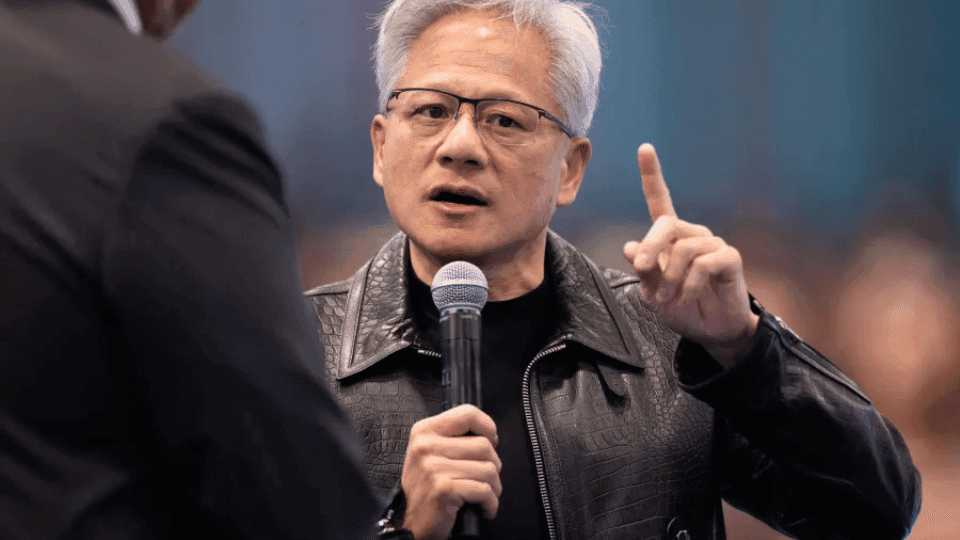
Yet following the abrupt resignation of founder and longtime chief executive Jensen Huang, Silicon Valley investors are questioning whether this capital flood will survive under interim chief executive Colette Kress and whoever eventually takes the permanent job.
Nvidia originally launched its aggressive corporate venture strategy in late 2023 with a clear mandate to expand the artificial intelligence ecosystem by backing pioneering startups and market makers. Over the nearly three years that followed, PitchBook data shows Nvidia invested in close to 350 startups. That portfolio reads like a roster of the sector’s most valuable companies, spanning frontier labs like Anthropic and OpenAI, emerging research outfits like Thinking Machines and Reflection, specialized cloud providers including Lambda, Nscale, and Crusoe, alongside robotics builders and enterprise AI application startups.
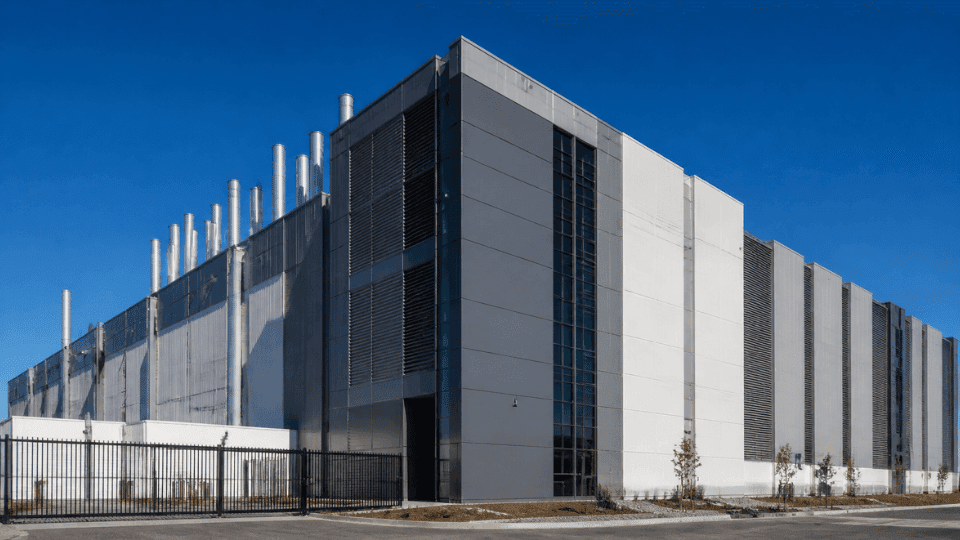
Beyond direct equity checks, Nvidia also stepped up as a primary financial backstop for physical data center construction. The company reported $116 billion in financial guarantees, including $105 billion committed specifically to backstop OpenAI’s massive $500 billion data center buildout in Ohio.
Nvidia funded these commitments by channeling excess operating cash flows straight back into the ecosystem. Speaking on Tuesday’s earnings call, Kress signaled a noticeable shift in tone. While she confirmed Nvidia will continue extending financing assistance to strong customers, she emphasized that as the AI market matures and outside capital sources step in, Nvidia will carefully evaluate all future investments, commitments, and financial guarantees.
Behind closed doors, Huang’s rapid-fire dealmaking had reportedly become a point of friction for Kress, who previously served as Nvidia’s chief financial officer. Venture investors told TechCrunch they expect Kress to enforce a much more conservative capital allocation strategy during her tenure, tightening deal selection criteria and writing smaller follow-on checks into existing portfolio companies.
Kress reinforced that financial discipline during the earnings call, stating that Nvidia intends to return all excess free cash flow remaining after strategic uses directly to shareholders moving forward. That commitment marks a clear pivot toward traditional shareholder returns rather than open-ended ecosystem subsidies.
How central startup investing remains under Kress and Nvidia’s future permanent chief executive remains an open question. For now, venture capitalists and AI founders across Silicon Valley are bracing for a significant pullback from the industry’s most prolific corporate checkbook. When a single chipmaker accounts for tens of billions of dollars in startup equity and data center guarantees, any tightening of the purse strings forces the entire artificial intelligence market to find new sources of capital.