Power Call: Jensen Huang Promises Trump Nvidia Will Push Processing Limits
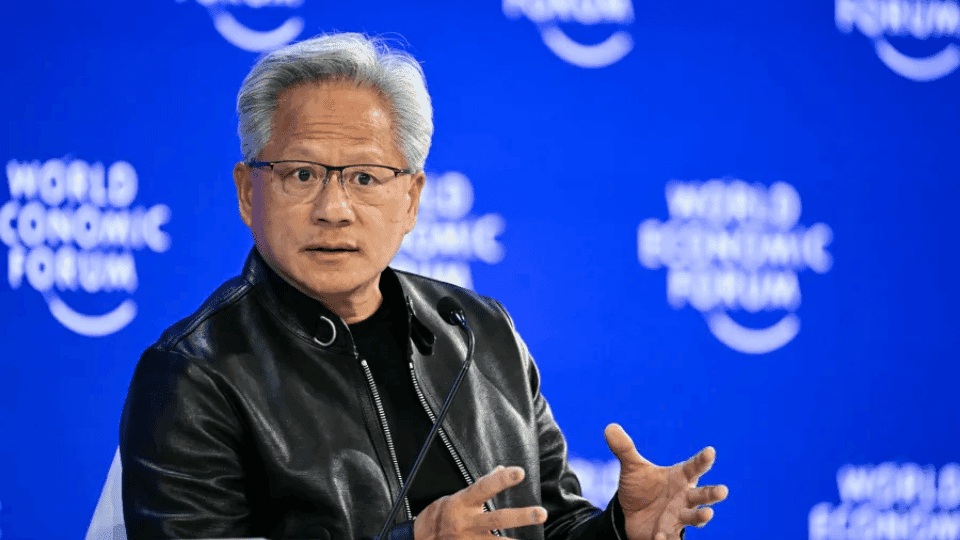
Nvidia CEO Jensen Huang took a direct phone call from President Donald Trump while speaking live on stage at the All-In Summit in Los Angeles. Rather than sending the call to voicemail, Huang put the president on speakerphone, projecting the live conversation across the auditorium for conference attendees to hear.
Huang greeted Trump while standing alongside the venture capitalists who host the All-In podcast, including Chamath Palihapitiya, Jason Calacanis, David Friedberg, and David Sacks, who also serves as a White House advisor.
During the call, Trump joked about technical difficulties, noting that while Huang builds complex computer processing chips, he needed extra time setting up stage microphones to project the phone audio clearly across the room.
Before the call came in, Huang and the podcast hosts discussed recent statements from Anthropic CEO Dario Amodei, who called on research labs to slow down model development. While industry figures like Elon Musk and OpenAI CEO Sam Altman expressed partial support for Amodei’s safety concerns, Huang maintained a very different stance on market expansion.
On the phone call, Trump voiced strong opposition to slowing down technology progress. He claimed that calls for development pauses play directly into the hands of political opponents and international rivals like China who want to see American technological growth stall out. Trump labeled calls for a slowdown a hoax aimed at capping domestic industrial momentum.
Huang agreed immediately with Trump’s position, telling the president that tech leaders will not let an industry slowdown happen, a response that drew loud applause from the live summit audience.
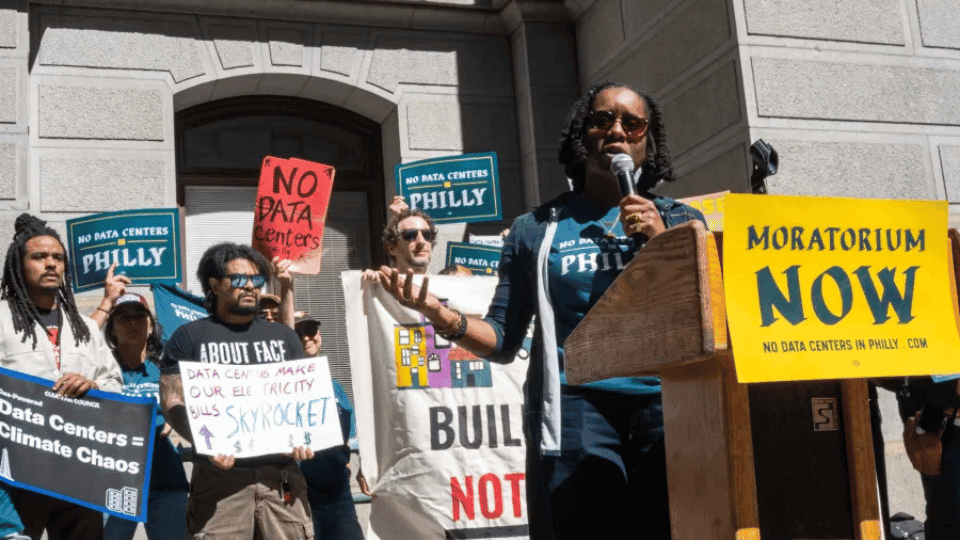
Trump and venture leaders like Y Combinator CEO Garry Tan argue that growing opposition to local data center construction stems from coordinated efforts to limit domestic economic growth. However, recent public survey data shows that everyday local opposition relates directly to nearby community impact.
Gallup survey results show that seven out of ten Americans oppose constructing new data center facilities near their homes. Over 50 percent of survey respondents cited environmental damage and heavy power grid demands as primary concerns, while 20 percent noted that massive infrastructure developments hurt local quality of life and raise regional living costs.
Addressing those local infrastructure concerns, Trump stated that state officials must handle grid expansion prudently while continuing to support industrial development. He told Huang that government agencies must support aggressive tech expansion rather than stopping project builds.
Huang closed the call by reassuring Trump that hardware providers remain committed to driving performance higher, ensuring that computing infrastructure continues to scale rapidly across global markets.