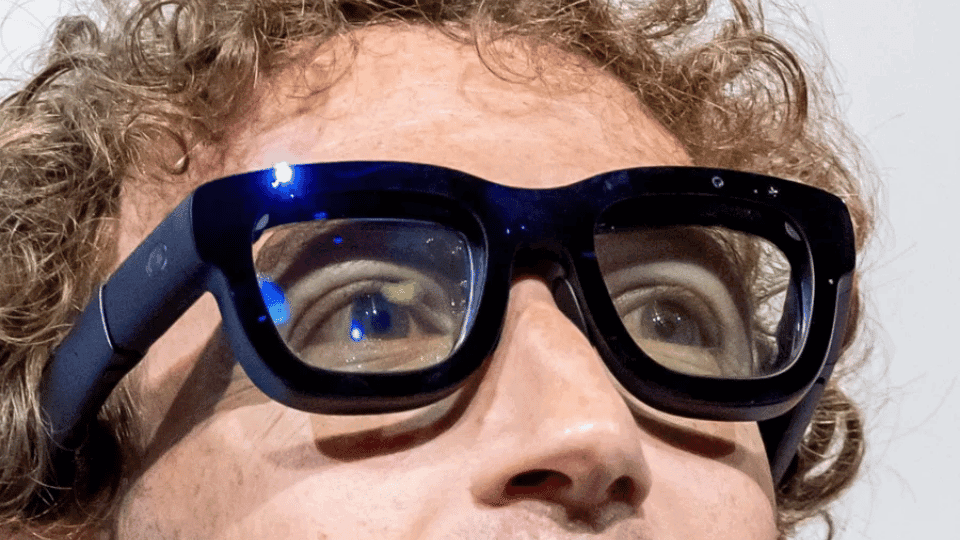
Stealth Specs: Meta Ditches Cameras on New Luna Smart Glasses to Fight Spy Complaints
Meta is preparing to launch a new version of its smart eyewear that leaves out cameras entirely. After facing heavy public backlash and critics labeling its hardware pervert glasses, the tech giant decided to offer a model without integrated visual recording gear.
Meta found success selling its camera-equipped Ray-Ban smart frames, outpacing rivals across the wearable market. However, recording lenses built into subtle frame designs unnerved everyday citizens. People expressed deep worry over secret video recording in public spaces, treating camera glasses as symbols of intrusive surveillance. Removing lens hardware gives privacy-focused consumers a way to use smart features without making surrounding people uncomfortable.
A report from The Information reveals that Meta is building this camera-free model under the internal codename Luna. Instead of taking photos or shooting video, Luna focuses purely on voice interaction and audio feedback. The design connects users directly to Meta’s conversational chatbot and its Muse consumer agent.
To process voice input accurately in noisy environments, Meta built six individual microphones directly into the frame. Users activate the onboard assistant by holding down a physical trigger button placed on the side arm of the glasses. Pressing the frame button wakes the system, allowing wearers to issue voice commands, ask questions, or process daily tasks hands-free.
Industry reports suggest Meta might reveal the Luna glasses during its upcoming Meta Connect event in Menlo Park. The annual hardware showcase gives the company a main stage to show off fresh consumer devices and developer software.
The broader smart glasses market expanded steadily over recent years, with Meta positioning itself at the front of the category. Still, high prices, awkward designs, and deep privacy fears keep many mainstream buyers from adopting smart eyewear. Millions of consumers remain unsure why they need smart glasses in daily life or how companies protect captured audio data.
Building new hardware form factors remains an expensive gamble for Meta’s hardware division, Reality Labs. Earnings reports released earlier this year showed that Reality Labs continues to lose massive sums of money while developing wearable products and virtual environments.
Stripping out cameras lowers production costs and eliminates public recording fears in one move. A voice-only setup gives users quick access to digital assistants without triggering privacy arguments in public places like gyms, bathrooms, or restaurants.
If Meta successfully sells camera-free glasses, other device makers will likely follow. Focus shifting from visual recording toward voice interaction shows that smart wearables can deliver real daily utility while respecting basic privacy boundaries.