Broken Climate Pledges: Meta Throws Out Its 2030 Net-Zero Goal and Its Competitors Should Be Furious
Meta buried a major climate retreat inside its latest sustainability report. The social media and artificial intelligence giant is virtually certain to miss its own pledge to reach net-zero emissions by 2030, and executives are refusing to set a replacement deadline.
In the introduction to Meta’s 2026 sustainability report, Vice President of Data Centers Rachel Peterson and Global Head of Net-Zero and Sustainability Blair Swedeen wrote that the company is re-evaluating its timelines, sequencing, and interim milestones. They claimed adjusting the 2030 net-zero emissions goal and near-term intensity targets allows Meta to reflect current operating realities while keeping annual progress transparent. Translated out of corporate phrasing, Meta is choosing to keep polluting at higher rates so it can build out artificial intelligence infrastructure as fast as possible.
This reversal highlights the basic flaw behind voluntary corporate climate targets. Companies can announce ambitious pledges for positive headlines and abandon them years later with almost zero financial penalty, betting that public outrage will fade quickly. When TechCrunch asked about the retreat, a Meta spokesperson insisted the company remains committed to net zero while continuing to invest in emissions reductions and report annual metrics.
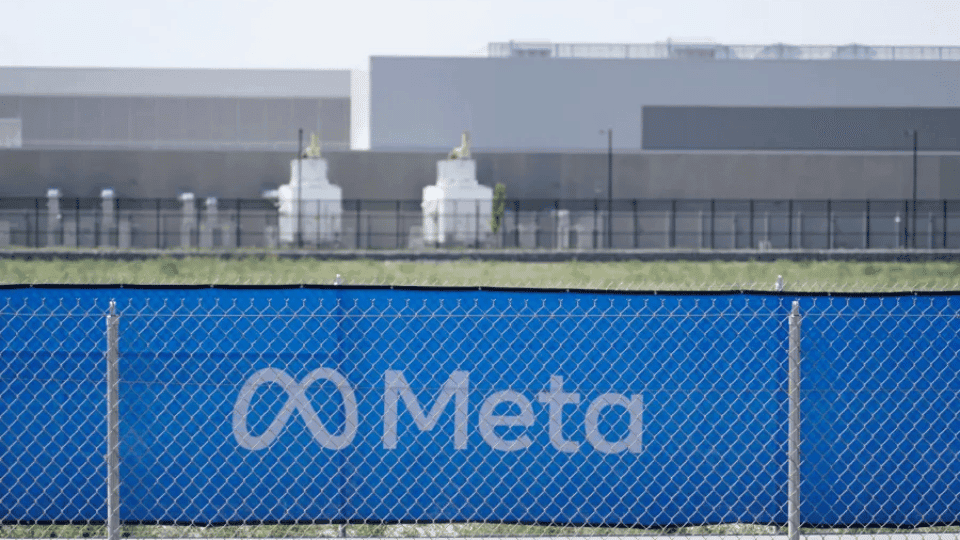
Only a few years ago, Meta stood out as one of Silicon Valley’s strongest corporate climate leaders, ranking among the world’s largest buyers of clean electricity while setting strict water conservation goals. Recently, however, Meta’s multibillion-dollar bet on burning natural gas to power its massive Hyperion data center in Louisiana erased much of that environmental progress. While natural gas burns cleaner than coal at the power plant, methane leaks across pipelines and extraction infrastructure make its overall warming impact far worse than industry talking points suggest.
Despite years of renewable energy contracts, Meta’s total greenhouse gas emissions have more than doubled over the past four years. Between 2024 and 2025 alone, emissions from Meta’s data centers jumped more than 12-fold, and the massive Hyperion campus has not even come online yet. That fossil-fuel pivot also triggered Meta’s exit from RE100, a global corporate renewable energy coalition, back in July after a decade of membership once the group began enforcing stricter reporting rules.
Meta’s sustainability leaders argued that when they originally drafted the net-zero target, they expected steady growth, falling clean-energy prices, and faster grid upgrades. Instead, demand for AI computing arrived on a timeline measured in quarters rather than decades, forcing infrastructure teams to build at an unprecedented scale. Framing the retreat as unavoidable ignores the reality that Meta made deliberate strategic choices. Chief Executive Officer Mark Zuckerberg is betting heavily that improving the energy efficiency of Meta’s Muse assistant will pay off, even though there is scant financial proof that everyday consumers will pay enough for AI tools to justify a $200 billion-plus data center spree.
Choosing natural gas turbines over grid connections and battery storage also looks increasingly shortsighted. Natural gas generators run best at steady speeds, whereas AI data center power loads spike and drop wildly depending on computing demand. Meanwhile, long-duration battery storage and super-hot rock geothermal projects from startups like Fervo, Mazama, and Quaise are hitting major milestones, positioning clean baseload power to compete directly on cost right around the mid-2030s.
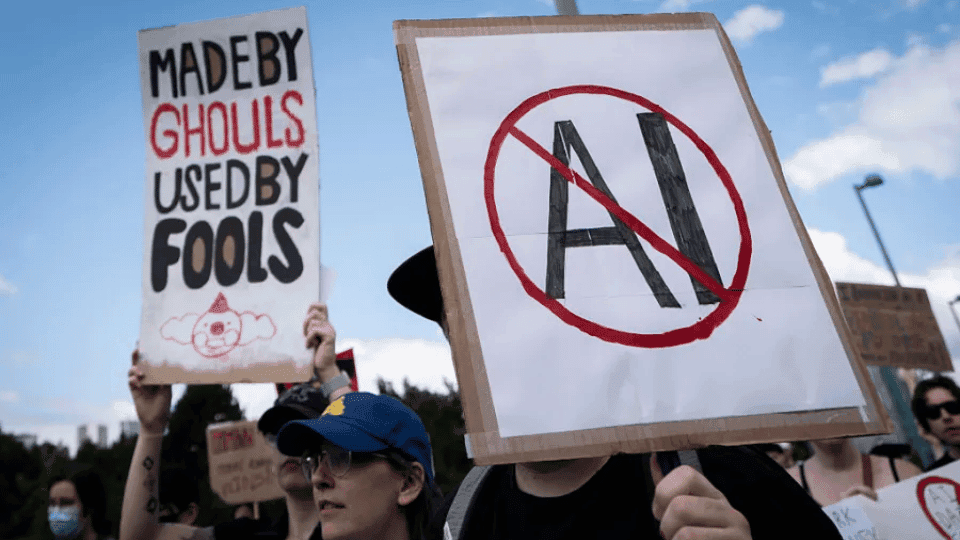
Worst of all, Meta’s unilateral retreat threatens the entire technology sector. Public surveys already show deep skepticism toward AI data centers due to local power and water strain. By tossing aside its 2030 pledge in a single PDF report, Meta risks inviting strict government regulations across the whole industry and destroying public trust in every rival tech company’s climate commitments.