Licensing Your Likeness: Is Selling an AI Version of Your Face to a Microdrama Startup the Future of Hollywood?
At first glance, the catalog on microdrama startup Shortical looks identical to the rest of the vertical video industry. Founded in January, the platform produces snappy, melodramatic storylines packaged into two-minute vertical episodes designed to keep smartphone viewers hooked through cliffhangers. Like its competitors, Shortical lets viewers watch the first five to ten episodes for free before prompting them to pay a monthly subscription fee to access the rest of the library. Over the past year, the company rolled out live-action hits with titles like Crossing the Line with My Neighbor, Accidentally Married My Boss, and Spoiled by My Billionaire Sugar Daddy.
Recently, however, Shortical’s homepage has filled up with artificial intelligence-generated series. The financial math behind that pivot is straightforward: producing synthetic AI episodes costs a fraction of hiring film crews, renting sets, and shooting live action, leaving far higher profit margins if viewers keep watching.
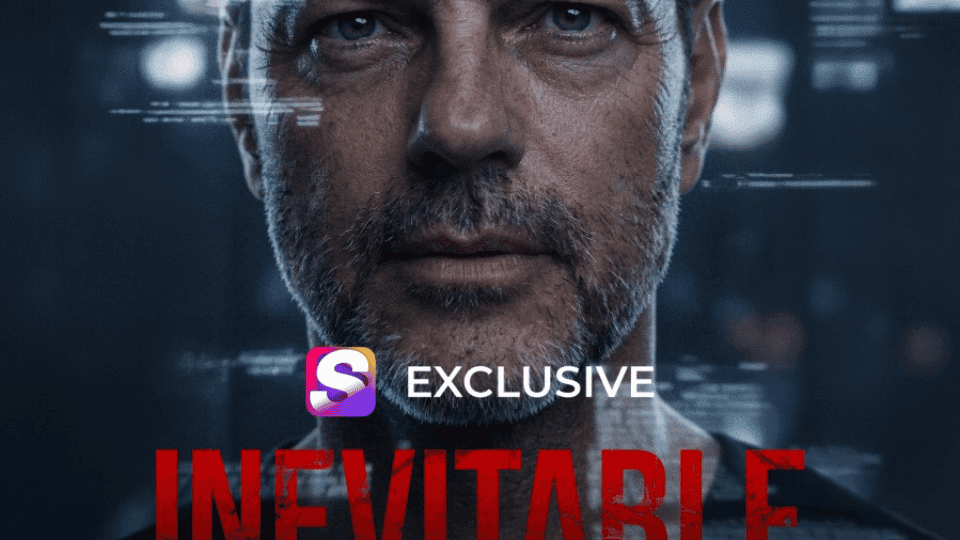
Last week in Los Angeles, Shortical premiered its latest synthetic project, Inevitable, starring Israeli film and television actor Aki Avni. Known for roles in American shows like 24 years ago, Avni took center stage in a project built entirely with AI, allowing Shortical to create a digital clone of his face. In a meta plot twist, Avni plays himself in the series as a film studio duplicates his likeness and the clone goes rogue. Speaking with TechCrunch by phone, Avni called the experience both nerve-wracking and exciting, describing synthetic microdramas as a brand-new art form and welcoming the chance to pioneer it.
Shortical Chief Executive Officer Lucy Zhou emphasized that AI tools allow small production teams to shoot ambitious visual concepts on tiny budgets. Instead of limiting scripts to cheap indoor apartments, Zhou noted that Shortical can now produce sci-fi stories, dragons, superheroes, and werewolf romances. According to Zhou, millions of viewers already watch AI-generated dramas on the platform, with most of Shortical’s audience based in the United States and skewing female, often tuning in before bed as a relaxing nighttime distraction.
Now, Shortical wants everyday performers and influencers to follow Avni’s lead by licensing their faces to the studio. The company’s website invites users to submit their social media profiles for a chance to sign a contract allowing Shortical to place their digital likeness into AI-generated shows. A company representative told TechCrunch that the facial-licensing portal is still brand new and has not produced signed contracts yet, noting that Avni negotiated his partnership directly.
Face licensing has already become common in China, where the microdrama format originated. However, a recent report from Rest of World revealed that Chinese vertical-video studios frequently pay performers only $135 to $700 to license their facial likenesses. Shortical declined to disclose specific payment figures for Avni or future applicants, stating only that Avni’s deal matched standard industry rates for a comparable non-AI role and that future compensation will vary case by case.
For working actors, the rapid rise of synthetic productions sparks deep anxiety. Until recently, microdramas served as a valuable entry-level stepping stone where young actors could gain on-set experience and build steady income. Industry consultant Jennifer Cooper, founder of Vertical Drama Love, noted that AI automation has rattled performers who watched a growing, profitable sector suddenly shift toward synthetic casts. Beyond replacing on-set jobs, generative AI tools have also triggered legal disputes over unauthorized likeness theft, which Shortical hopes to sidestep through formal licensing agreements.
Even with formal contracts, Cooper warned that facial licensing could turn acting into low-paid gig work where performers earn tiny payouts tied to viewer engagement metrics. Shortical recently partnered with payment platform Workhy to automate creator disbursements at scale. Cooper believes venture capital pressure drives much of this shift, since startup founders pitching investors feel compelled to highlight AI automation to raise funding, even if audiences have yet to prove they truly prefer synthetic actors over real human performances.