Orbital Repo Men Need Not Apply: Chips Can Survive Space, but Can Their Financing?
Building artificial intelligence data centers in orbit already involves steep engineering hurdles, from intense thermal management to a shortage of heavy rockets capable of launching hardware into space. Yet a quieter financial roadblock is emerging on Earth: figuring out how Wall Street will pay for the chips.
Today, the terrestrial data center boom runs heavily on debt financing. Cloud providers borrow billions of dollars to construct server farms and purchase processors, paying lenders back over time using revenue generated by renting out computing capacity. Lenders feel comfortable extending massive credit lines because the underlying graphics processors serve as physical collateral. If a data center operator defaults on its loans, creditors can walk into the facility, repossess the server racks, and sell the chips on the secondary market. That physical safety net keeps borrowing costs low, especially since high-end AI silicon holds its resale value remarkably well. According to Compute Credit Index Research, used Nvidia H100 chips still sell for roughly half of their original 2023 price, while certain H200 configurations trade at the exact same price they commanded at launch in 2024.
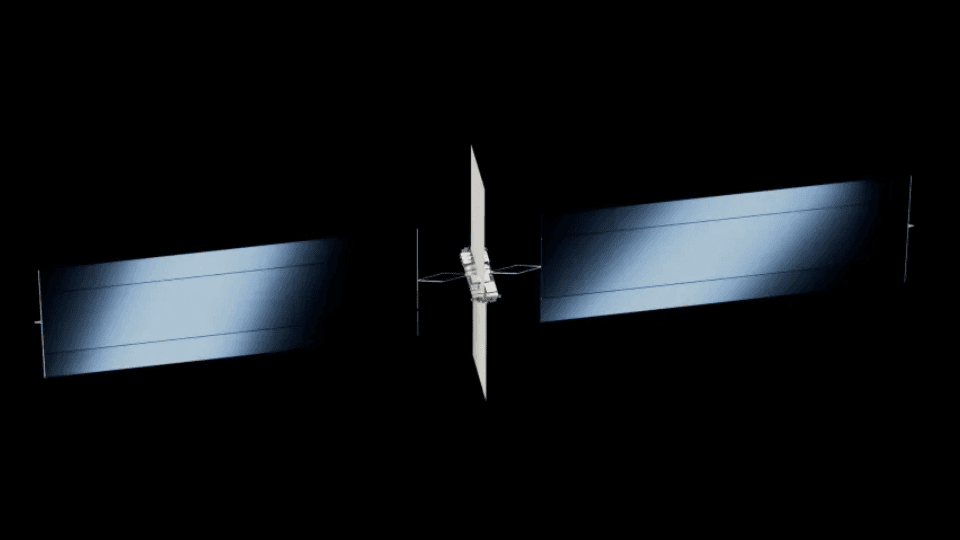
In orbit, however, standard repossession math completely breaks down. No bank can send a repo crew to retrieve graphics cards bolted inside a satellite hurtling 300 miles above Earth at 17,500 miles per hour. Recognizing that risk, lenders behind SpaceX’s massive $40 billion chip financing package reportedly demanded strict guardrails prohibiting SpaceX from launching any of the financed processors into orbital data centers, according to the Financial Times. Whether those banks succeeded in locking that restriction into the final loan agreement remains unclear.
In the short term, losing debt financing for space hardware may not slow SpaceX down. Deploying computing clusters at ground-based facilities has already proven highly profitable for the company. During SpaceX’s latest earnings call, Chief Executive Officer Elon Musk explained how he is pulling engineers directly from his rocket division to speed up terrestrial data center construction, even having teams cast power turbine blades in-house faster than outside suppliers can deliver them. Still, ground projects face mounting friction over land availability, electrical grid connections, and neighborhood opposition, while investors watch closely to see whether AI compute buyers can turn rented capacity into sustainable profits.
Even so, Musk has repeatedly predicted since early 2026 that space will become the cheapest place to run data centers within two to three years. Reaching that milestone depends entirely on making SpaceX’s Starship rocket fully and rapidly reusable. During its most recent test flight, SpaceX missed recovering the booster stage but successfully landed the orbital upper stage back at its Texas launch complex, though engineers have yet to prove how quickly or cheaply that vehicle can fly again.
Until orbital collateral becomes bankable, SpaceX and space compute startups like StarCloud, Cowboy Space Corporation, Sophia Space, and Orbital face higher capital costs than ground-based rivals. Paying cash or taking on expensive equity financing makes already daunting space economics even tougher. That dynamic gives Google a notable edge through Project Suncatcher, which relies on Google’s own custom TPU chips rather than external debt-financed GPUs. While SpaceX and Tesla are partnering on Terafab, an ambitious domestic chip foundry project, breaking ground and reaching volume production will require billions of dollars and years of construction before SpaceX can mint its own orbital silicon.