Double Standards at the Top: Jensen Huang Broke Nvidia’s Code of Conduct, and Employees May Not Forget It
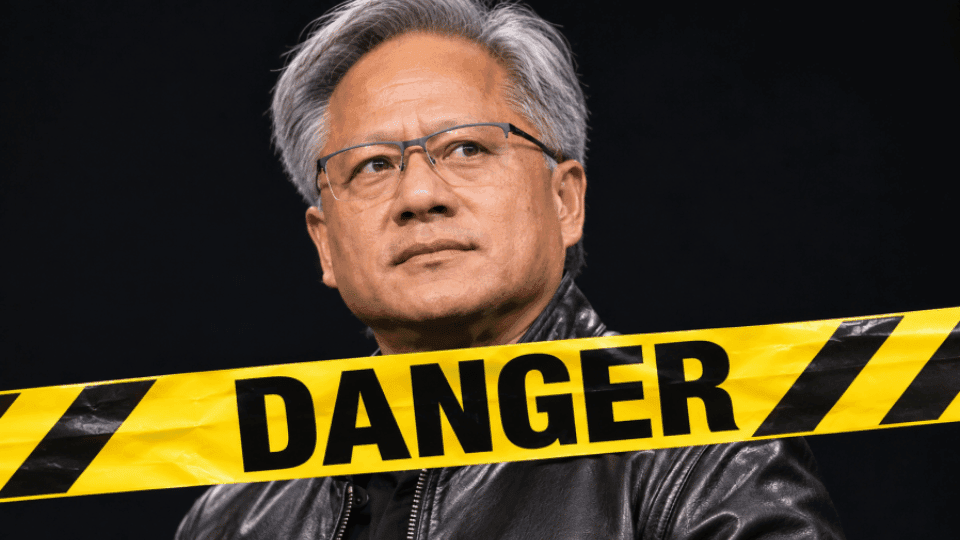
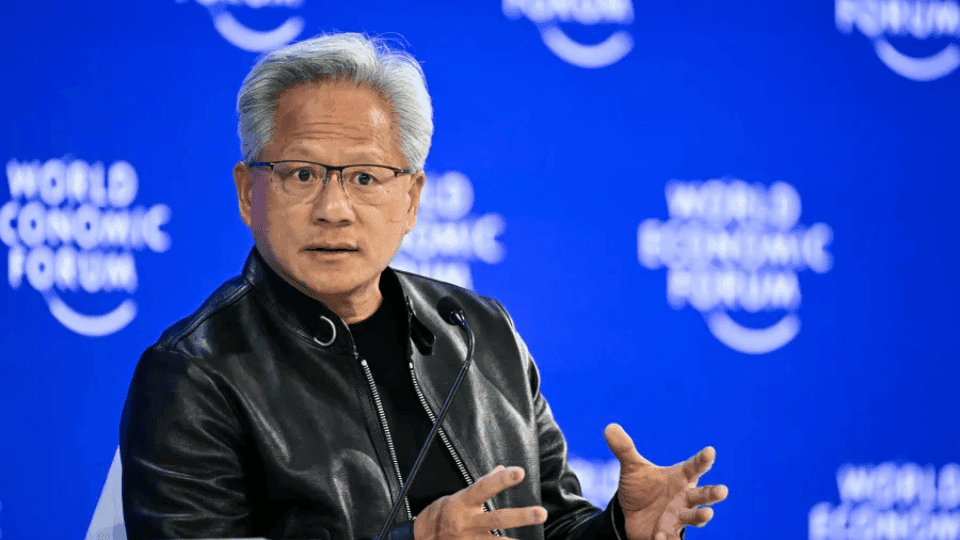
When Nvidia Chief Executive Officer Jensen Huang delivered his first all-hands speech since reclaiming his corner office, he spent an awkward amount of time talking about the company’s internal code of conduct. Huang openly admitted that he had violated those rules, then insisted that nobody at Nvidia stands above company policy. Yet he immediately added a major caveat, explaining that breaking the code of conduct does not automatically mean security walks an employee out the door, according to Wired. Instead, Huang argued that surrounding facts, specific circumstances, and deeper assessments still carry weight. Put plainly, Nvidia’s rules apply to everyone on paper, yet breaking them does not automatically cost someone their job, especially if that someone happens to be the chief executive.
That explanation puts Nvidia in an uncomfortable position. Inside modern human resources departments, a corporate code of conduct often looks like a formal rulebook spelling out fireable offenses. Workplace ethics specialists, however, view these policies primarily as a mirror of internal company culture. When a high-profile rule violation goes unpunished at the executive level, the biggest damage is rarely legal. Rather, the fallout hits company culture directly, leaving rank-and-file workers feeling embarrassed, cynical, or angry about the organization they represent. That cultural erosion is the exact risk Huang now faces inside Nvidia.
Matt Plass, chief market strategy officer at ethics and compliance training firm LRN, recently surveyed more than 2,000 workers across multiple industries for a study on workplace codes of conduct. From his research, the sharpest danger of selective enforcement is employee shame. Plass told TechCrunch that younger workers entering the labor force care deeply about organizational integrity and pay close attention to their employer’s ethical standards. When senior executives fail to live up to those standards, employees feel genuinely let down and embarrassed.
Even when a double standard leaves stock prices untouched in the short term, it permanently alters internal office folklore. Plass shared a real-world example of a corporation that froze employee travel budgets to save money, only for its chief financial officer to show up inside a VIP luxury suite at the Olympic Games. For more than ten years afterward, workers inside that company invoked the Olympics as shorthand for any outrageous policy violation, joking that minor expense mistakes paled in comparison to the CFO’s VIP trip.
Under normal corporate crisis playbooks, boards remove an executive after an ethics investigation and launch a campaign to rebuild internal trust. Plass noted that most organizations replace the leader, apologize directly to staff, customers, and investors, and promise meaningful cultural reform.
Following that standard script proves far harder at a company like Nvidia, where Huang exited without a clear successor and serious doubts linger over whether the chipmaker could maintain its dominance without its founder. Plass acknowledged there is no easy answer when a chief executive functions as a near-mythic figure whose personal identity blends seamlessly with the company itself.
Viewed in that light, Huang’s careful tiptoeing around the code of conduct makes clear sense. Judging by the internal employee campaign urging his reinstatement, Huang’s return has not sparked an immediate morale collapse. Yet as upcoming congressional hearings and regulatory scrutiny keep the scandal in the spotlight over the coming months, bending the rules to keep Huang in charge could quietly cost Nvidia something harder to replace than market value: its employees’ pride in their workplace.